Photography · Festivals · Harvest

The Colours of Autumn

Harvest, great festivals and Himalayan clarity

Sample itinerary · tailor-made to you
Duration
12 days
Best season
September – October
Travel style
Private
Activity
Moderate
Guide price
From US$5,100
Enquire
Overview

Autumn is Bhutan at its clearest. The monsoon has moved on, the high peaks stand sharp against blue skies, and the terraced valleys of Punakha turn from green to gold as the rice is cut by hand. It is also the season of the great festivals – Thimphu and Wangdue among them – when whole districts come together in the dzong courtyards.

This journey begins in the quiet Haa valley, seldom visited and still deeply rural, before following the harvest east. Ugyen arranges tea with nuns and young monks, mornings in the fields with farming families, and a schedule that puts you at Dochula for sunrise and Punakha Dzong for the last of the light.
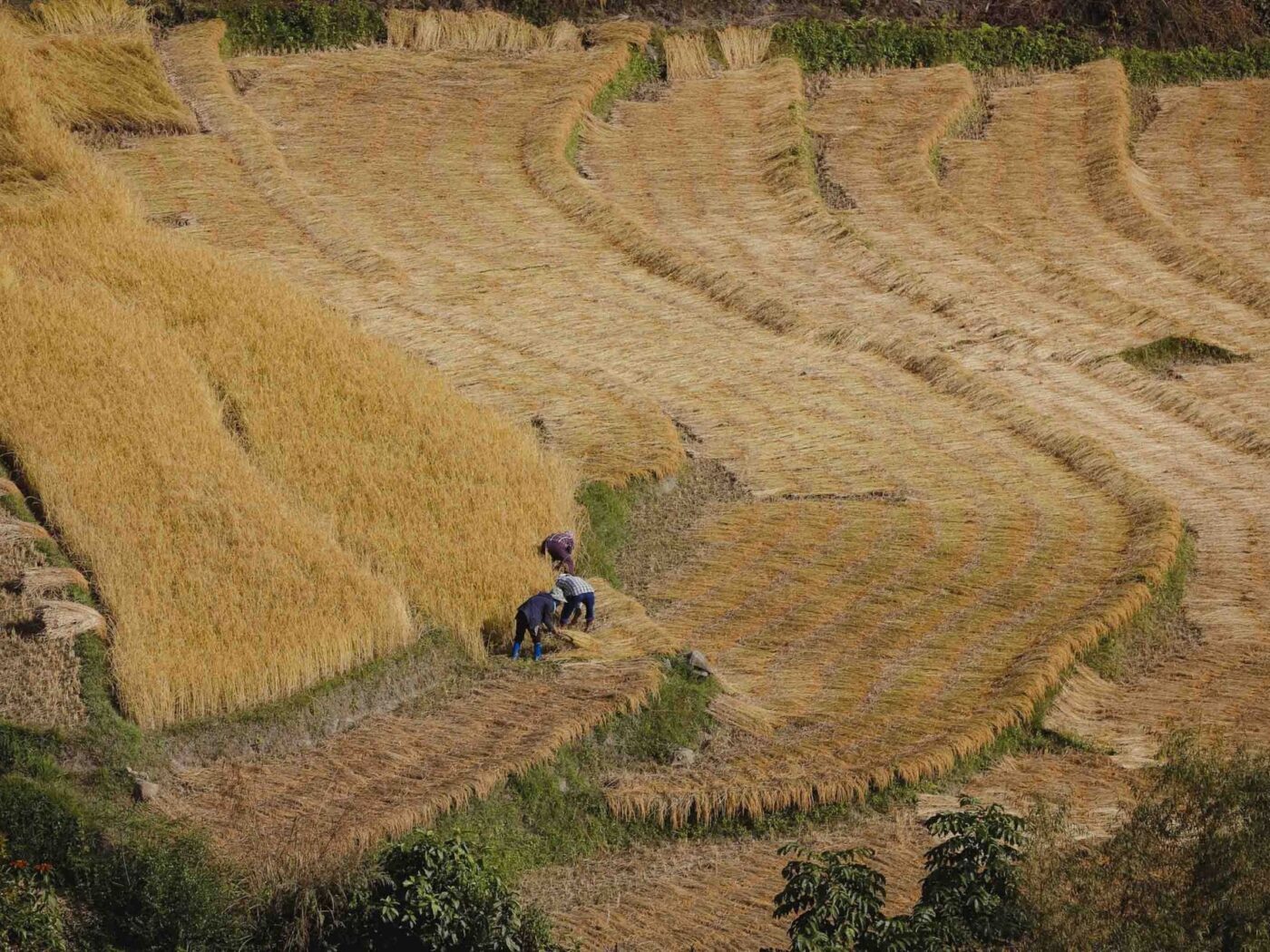
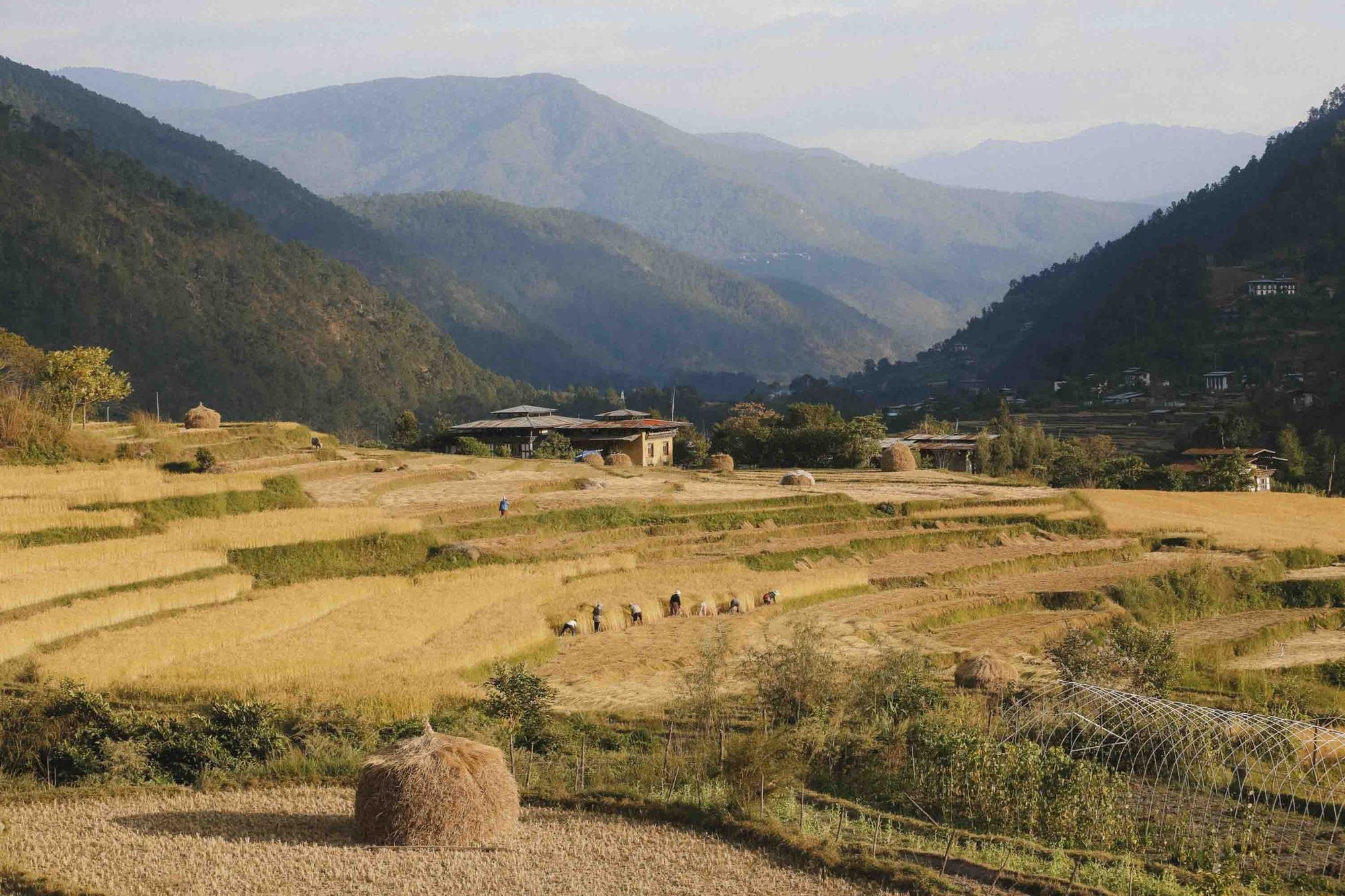
A farmer among terraces at harvest time
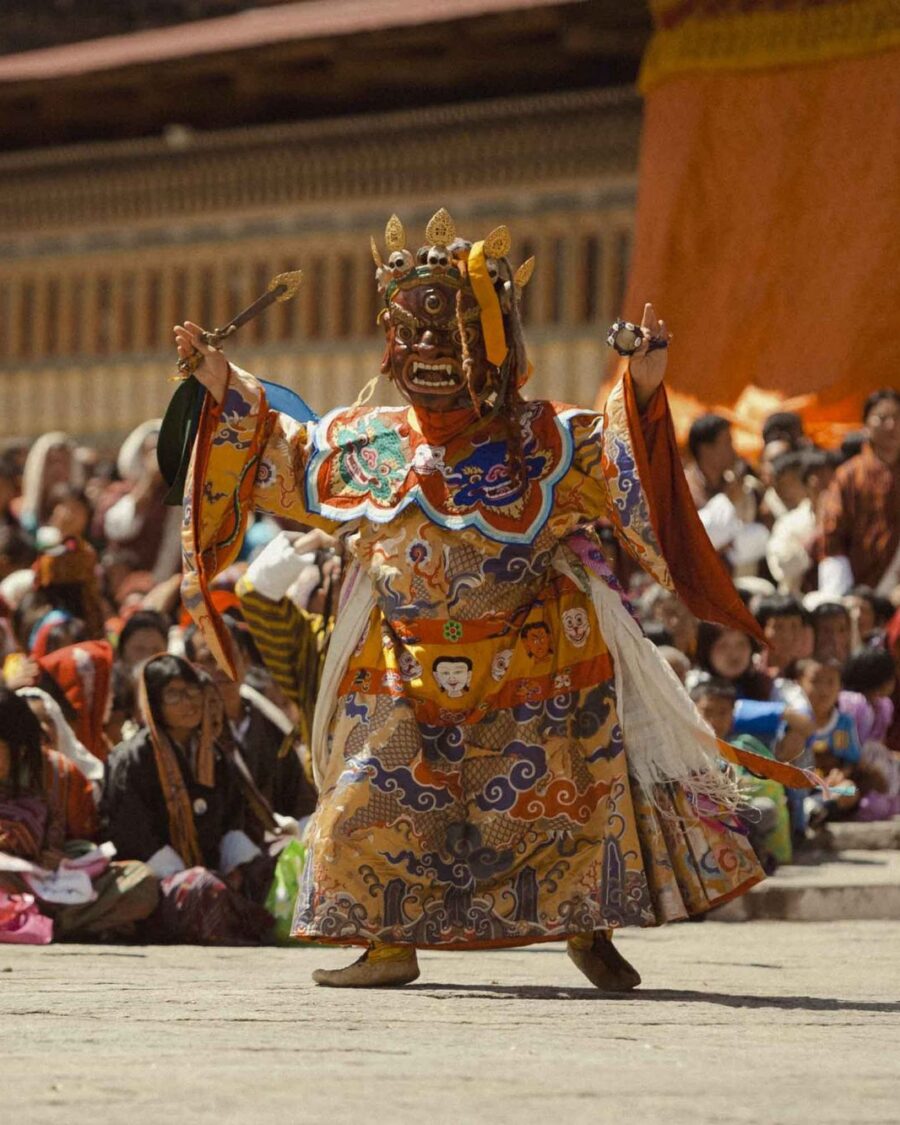
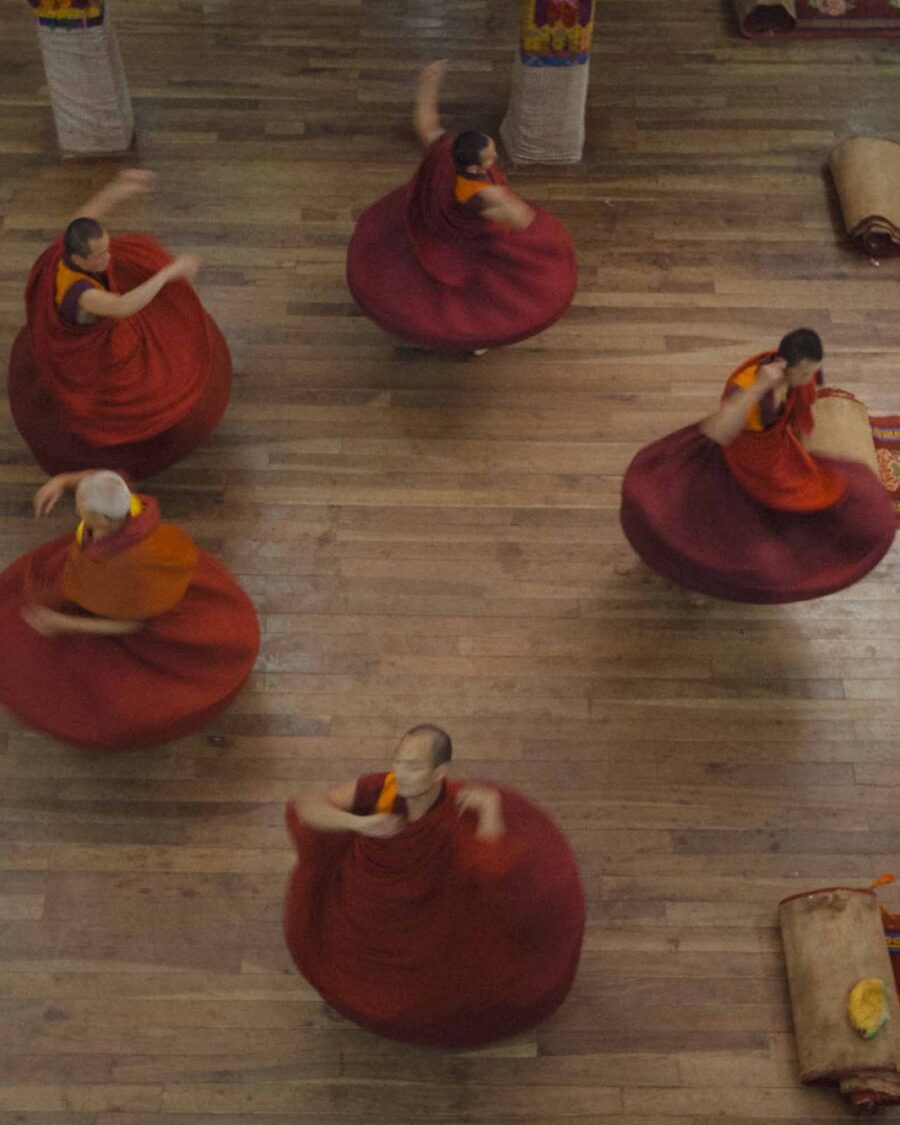
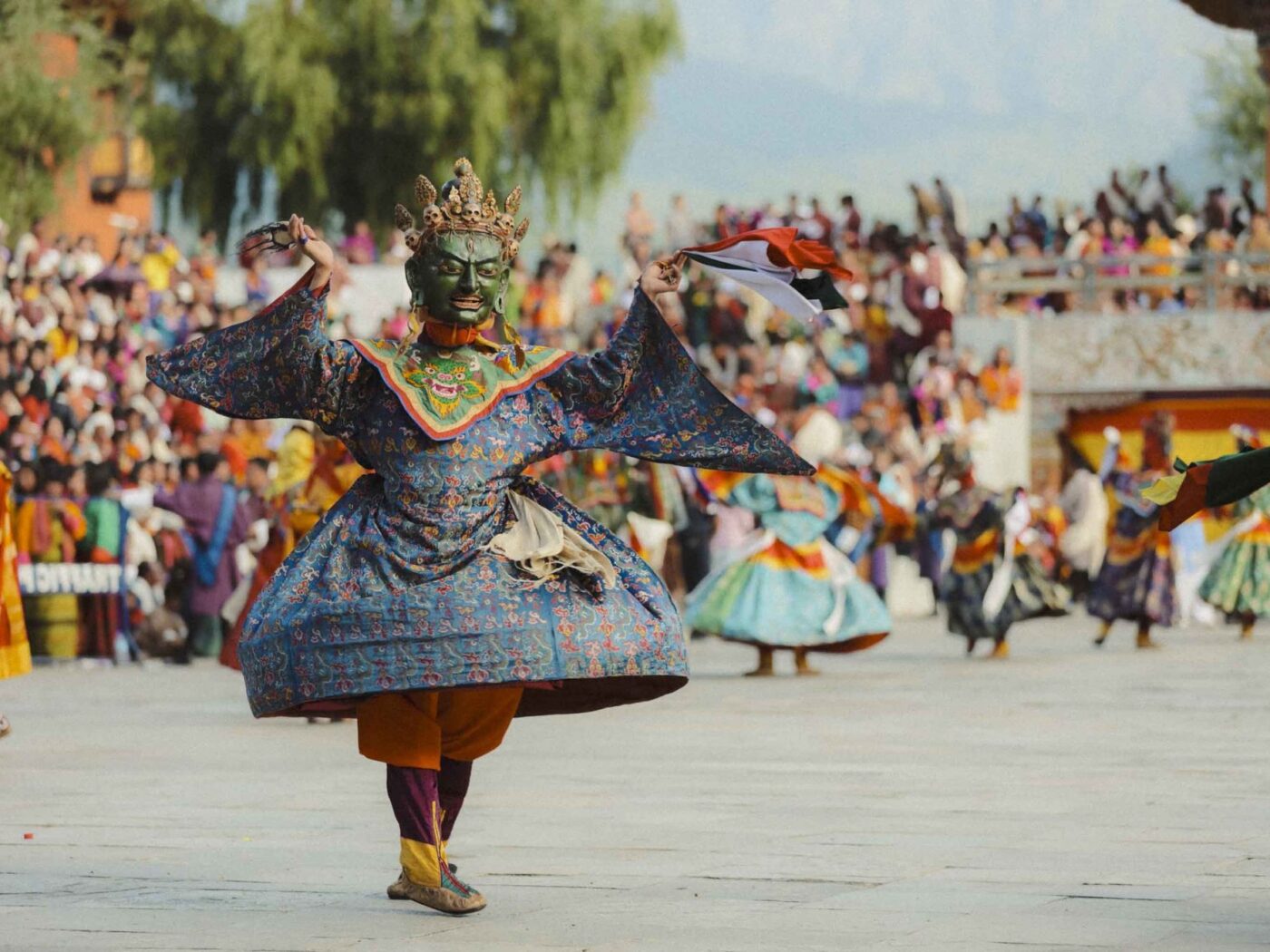
Black hat dancers spinning in a dzong courtyard
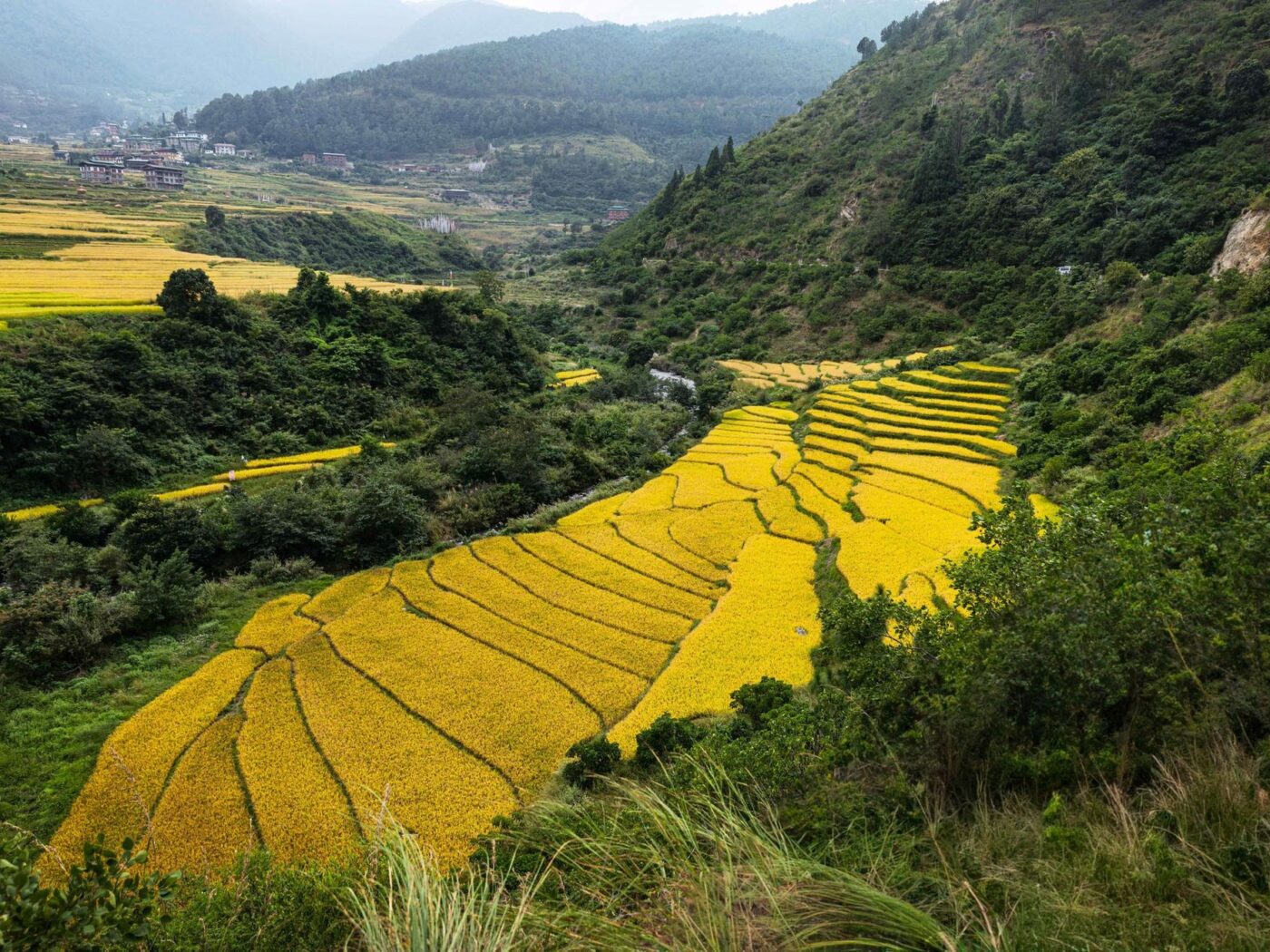
Golden rice terraces at harvest
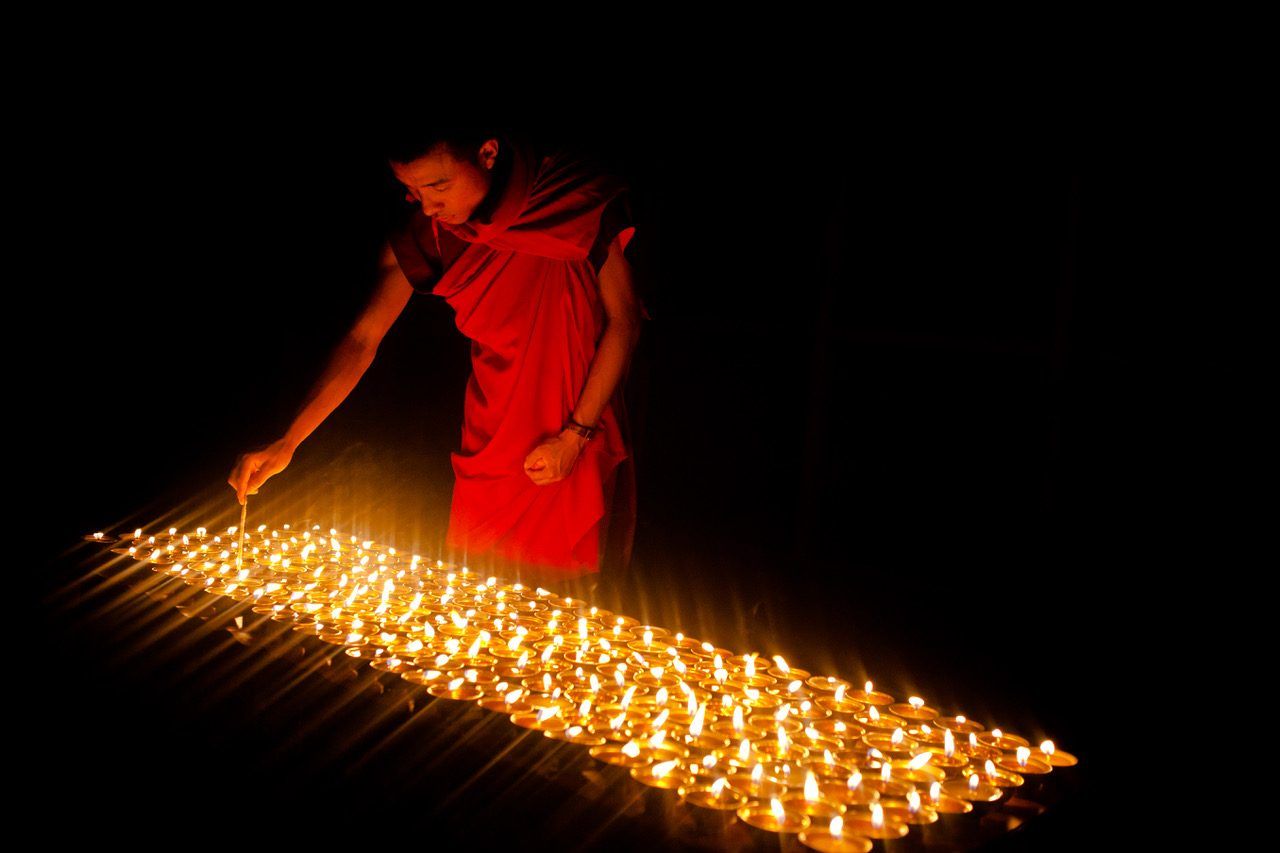
A monk lighting rows of butter lamps
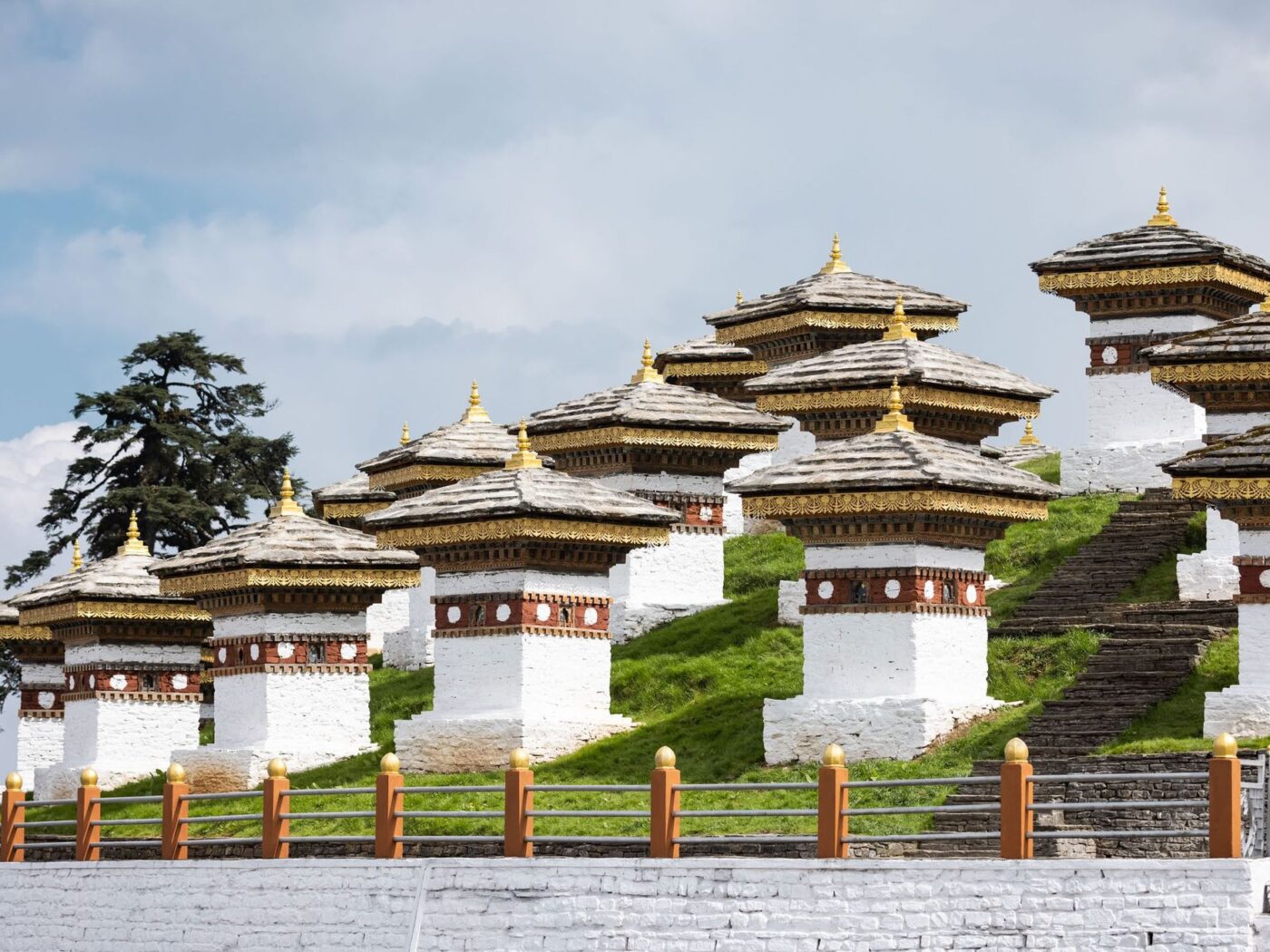
The 108 chortens of Dochula pass
Highlights

What makes this journey

Festival season

The masked dances of autumn – in Haa, Thimphu or Wangdue, depending on the lunar calendar in your year.

The rice harvest

Golden terraces around Punakha and Lobesa, and the rhythm of cutting, threshing and winnowing.

Haa valley

Over the Chele La (3,988 m) to one of Bhutan's least-visited valleys, with buckwheat hoentay dumplings for lunch.

With the monastic community

Tea and evening prayers with young monks at Dechen Phodrang, and an offering of tea and snacks to the nuns at Wolakha.

Sunrise at Dochula

Coffee and breakfast facing the Himalaya, at its clearest in autumn.

Day by day

The itinerary

A suggested route. On a private journey we'll shape it around you.

Day 01

Paro to Haa via Chele La

From Paro airport, climb to the Chele La at 3,988 m – one of the highest roads in Bhutan – and descend into Haa. A short walk around the valley before dinner.

Day 02

Haa

Haa's annual festival if the dates align, or a day in the villages and hilltop temples. Lunch of hoentay, the valley's buckwheat dumplings.

Day 03

To Thimphu

A slow drive with stops for portraits and farmhouses. Evening tea and prayers at Dechen Phodrang monastic school.

Day 04

Thimphu

Hike to Dodedrak, a hermitage and Buddhist institute in the hills, and walk the Wangditse loop above the city.

Day 05

Thimphu

Buddha Dordenma, the archery ground and the weekend market. If your dates fall during the Thimphu tshechu, the day belongs to the festival.

Day 06

Dochula to Punakha

Sunrise and breakfast at Dochula, then down to Lobesa and through the rice fields to Chimi Lhakhang. Evening at Punakha Dzong.

Day 07

Punakha

Wolakha nunnery and the dzong in morning light. A riverside picnic, the harvest in progress, and Khamsum Yulley Namgyal Chorten at dusk.

Day 08

Punakha & Wangdue

Cross the long suspension bridge and climb to Samdingkha for views over the terraces. Afternoon at Wangdue Phodrang Dzong.

Day 09

Phobjikha

Over the pass at Nobding to the wide glacial valley of Phobjikha. A nature walk and a visit to Gangtey Goenpa.

Day 10

Paro

Return to Paro. Rinpung Dzong and its covered bridge in the evening.

Day 11

Tiger's Nest

The cliff temples of Dzongdrakha in the morning, then the hike to Tiger's Nest. Farewell dinner.

Day 12

Depart

Transfer to Paro airport.

What's included

Taken care of

  • Private guide and driver throughout
  • Eleven nights in heritage lodges and boutique hotels
  • All meals
  • Festival access, monument fees and photography permits
  • Visa arrangement and Sustainable Development Fee (itemised in your proposal)

Not included

  • International flights to and from Paro (we can book these for you)
  • Travel insurance
  • Drinks other than water, tea and coffee with meals
  • Tips for your guide and driver, which are always your choice
  • Personal expenses and souvenirs
Pace. Moderate, with several half-day walks and early mornings.

As a travel writer, I work with guides (and photographers) on a monthly, often weekly basis. Ugyen Wangchuk, who I met on an extraordinary and constantly evolving journey for the Financial Times, immediately placed into my top three guides of all time. His range of knowledge, across nature, religion, myth, history and culture, runs very deep. It emerges naturally and gently.

Ruaridh NicollScotland