

Never colonised
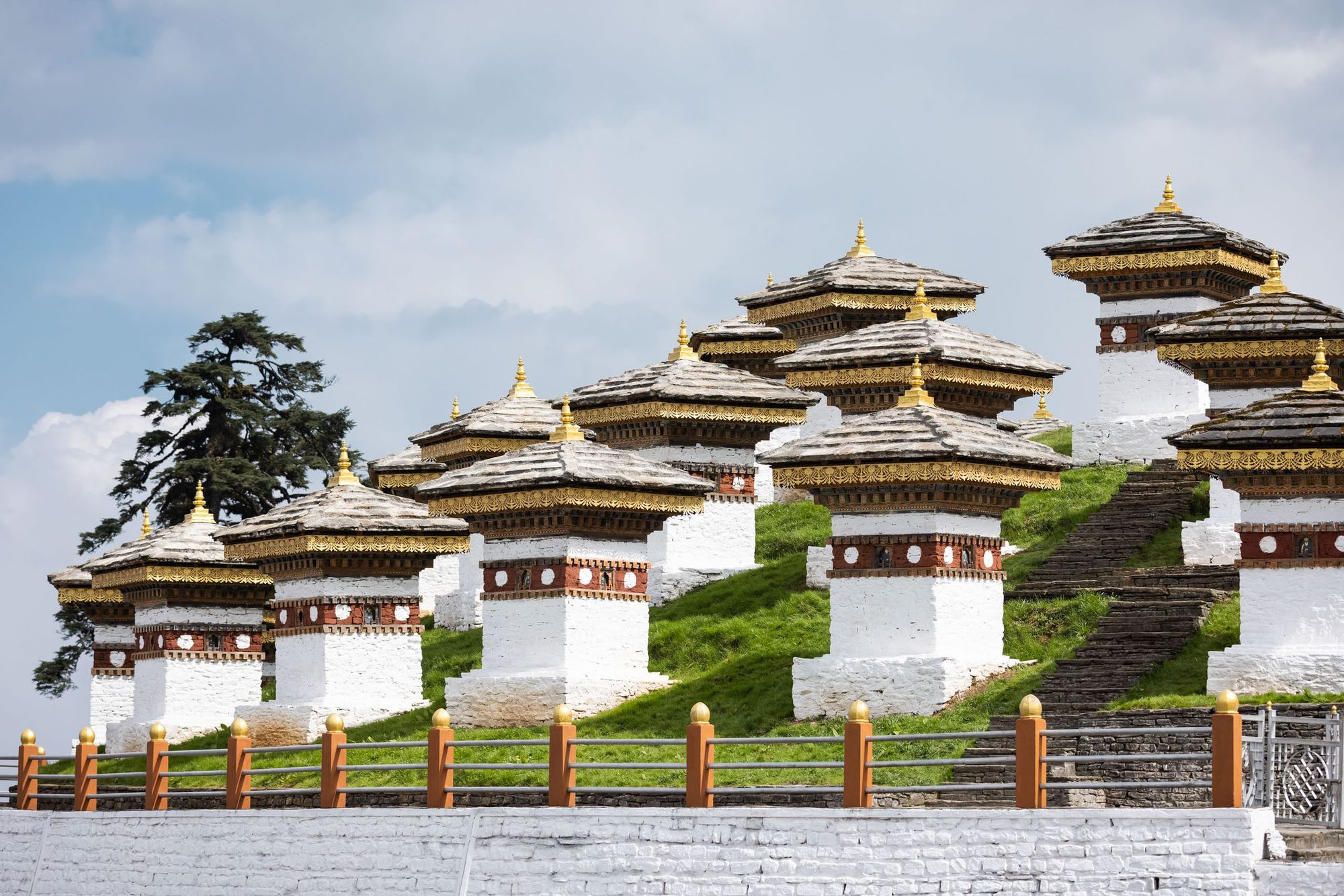
Bhutan is one of very few countries never to have been colonised. Its architecture, dress, language and religion developed on their own terms, and they remain part of everyday life: the dzongs are still working monasteries and government offices, and most Bhutanese wear the gho and kira at work.
Gross National Happiness
Since the 1970s, Bhutan has measured its progress by Gross National Happiness, weighing wellbeing, culture and the environment alongside economic growth. Visitors feel it less as a slogan than as a pace of life.
High value, low impact
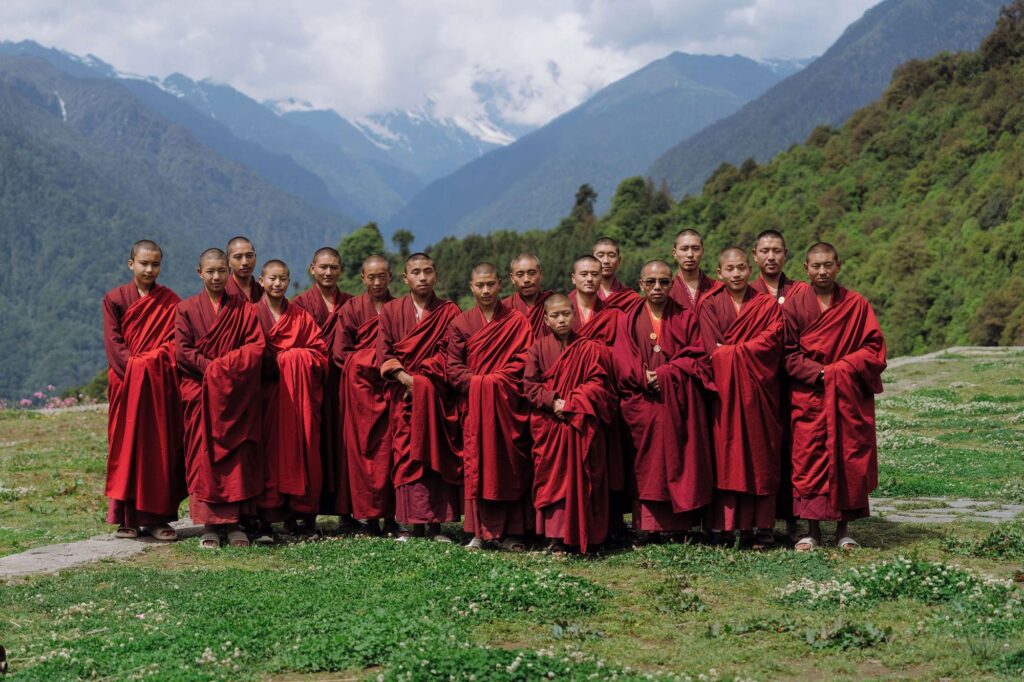
Tourism here is deliberately limited. Every visitor pays a Sustainable Development Fee that funds conservation, health and education, and travels with a licensed guide. The result is a country without crowds, where your presence is welcome rather than overwhelming.
From jungle to glacier
Within a day’s drive the land rises from subtropical forest to alpine meadow, and the northern border is lined with peaks above 7,000 metres. More than two-thirds of the country is forested, and the constitution requires that at least 60 per cent always remains so.
Festivals that are lived
Each year, in dzong courtyards across the country, monks and laymen perform the sacred masked dances of the tshechu. Families come for the blessings; you are welcome to join them.