Festivals · Monasteries · Village life

The Tshechu

Punakha's great festival and the hidden west

Sample itinerary · tailor-made to you
Duration
11 days
Best season
February – March
Travel style
Private
Activity
Easy to moderate
Guide price
From US$5,800
Enquire
Overview

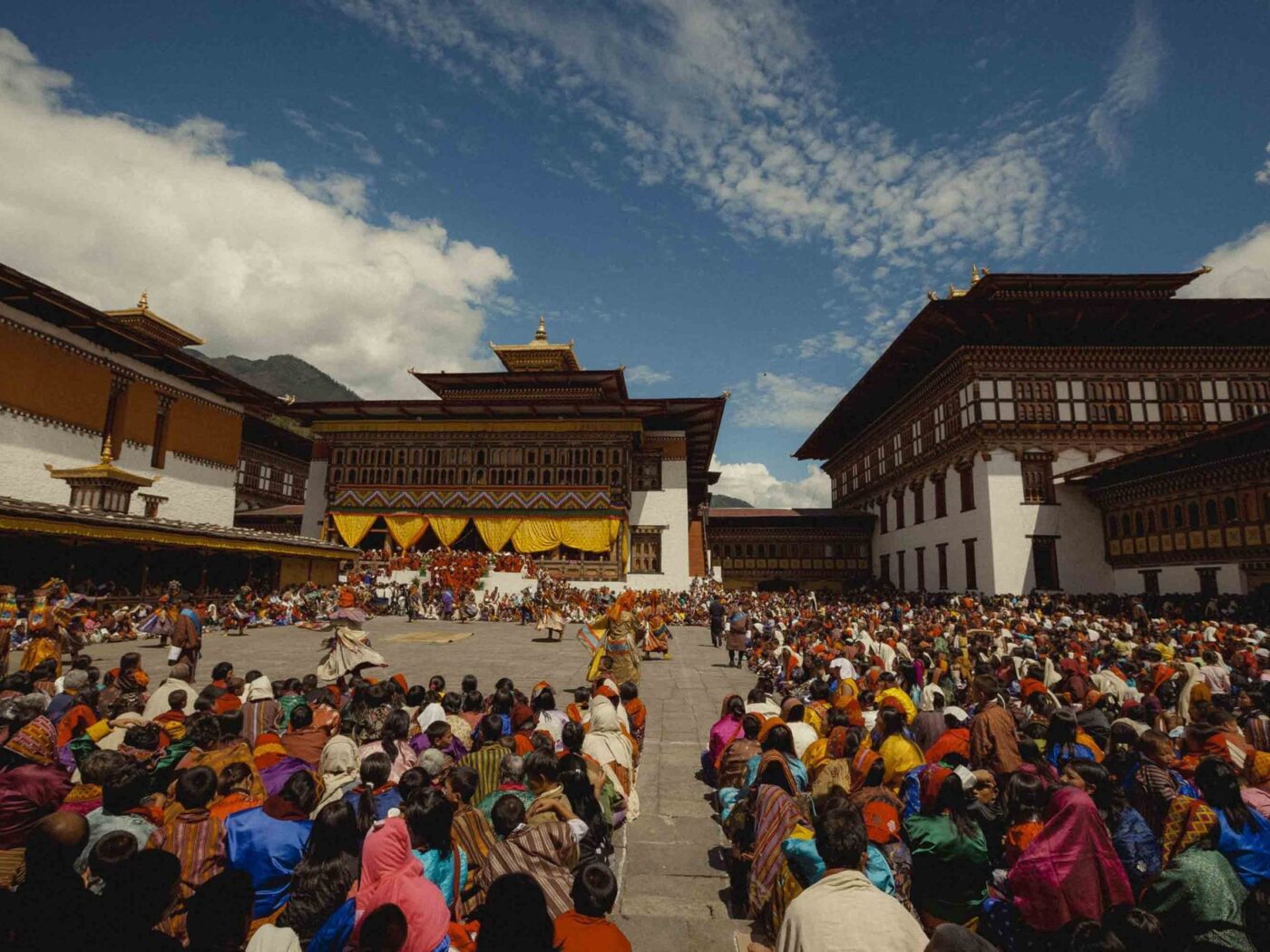
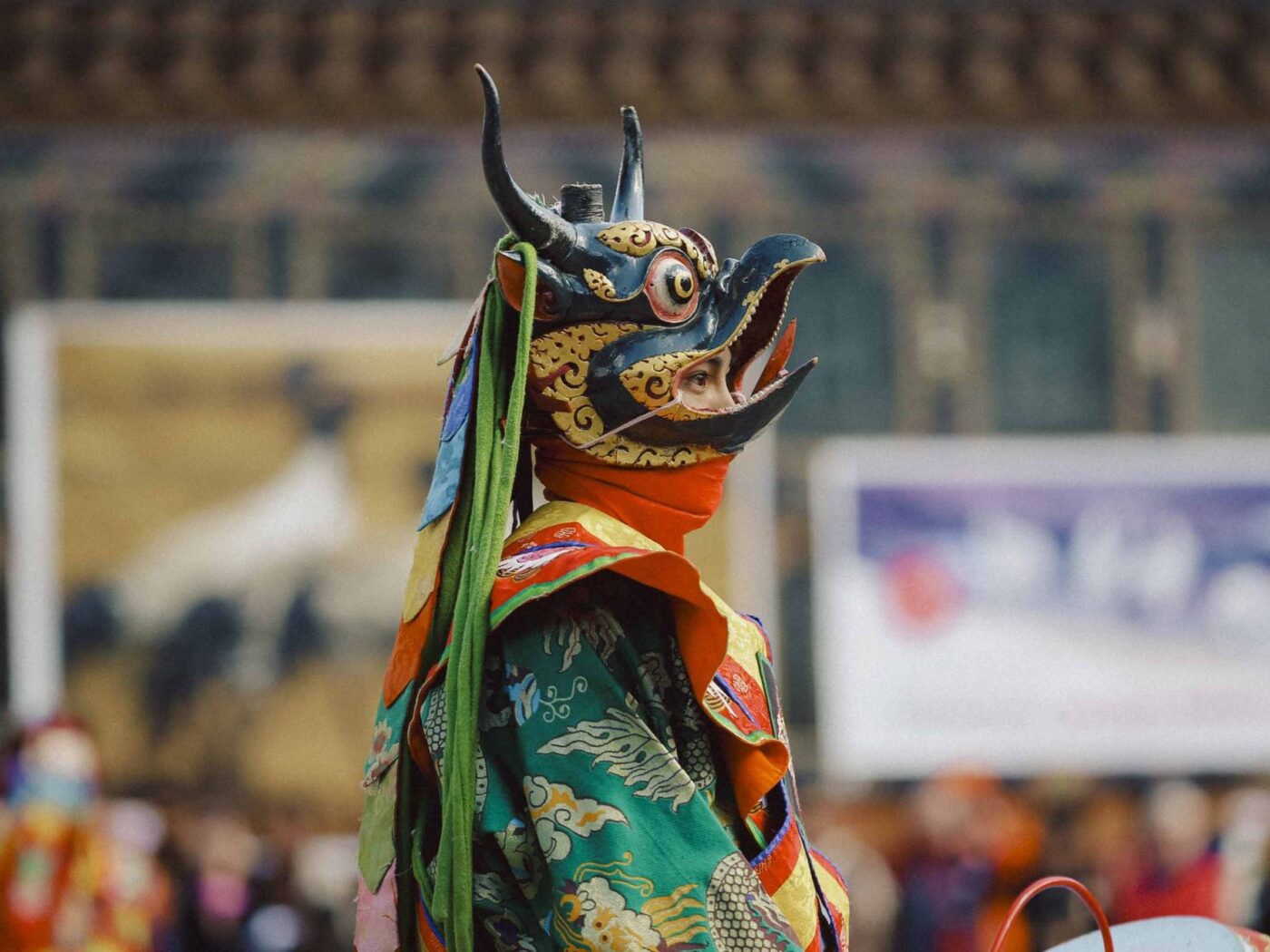
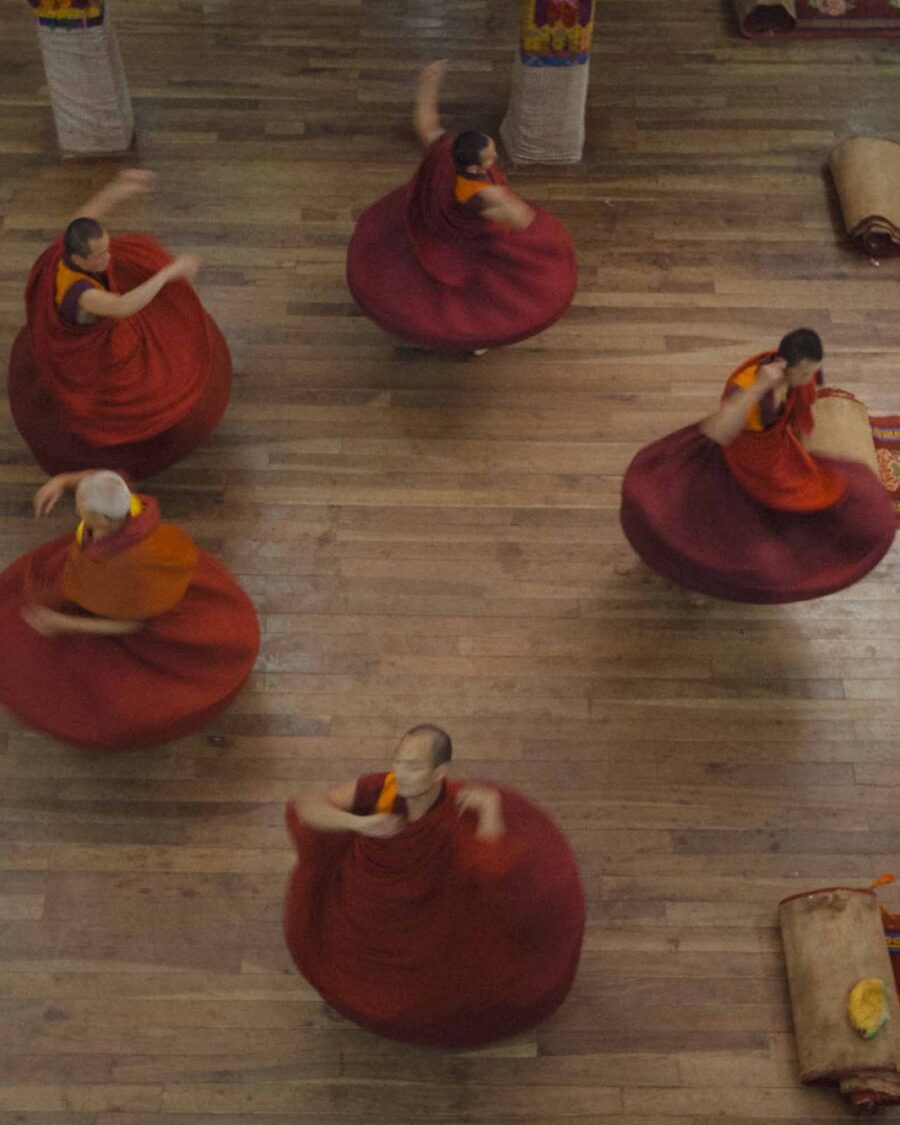
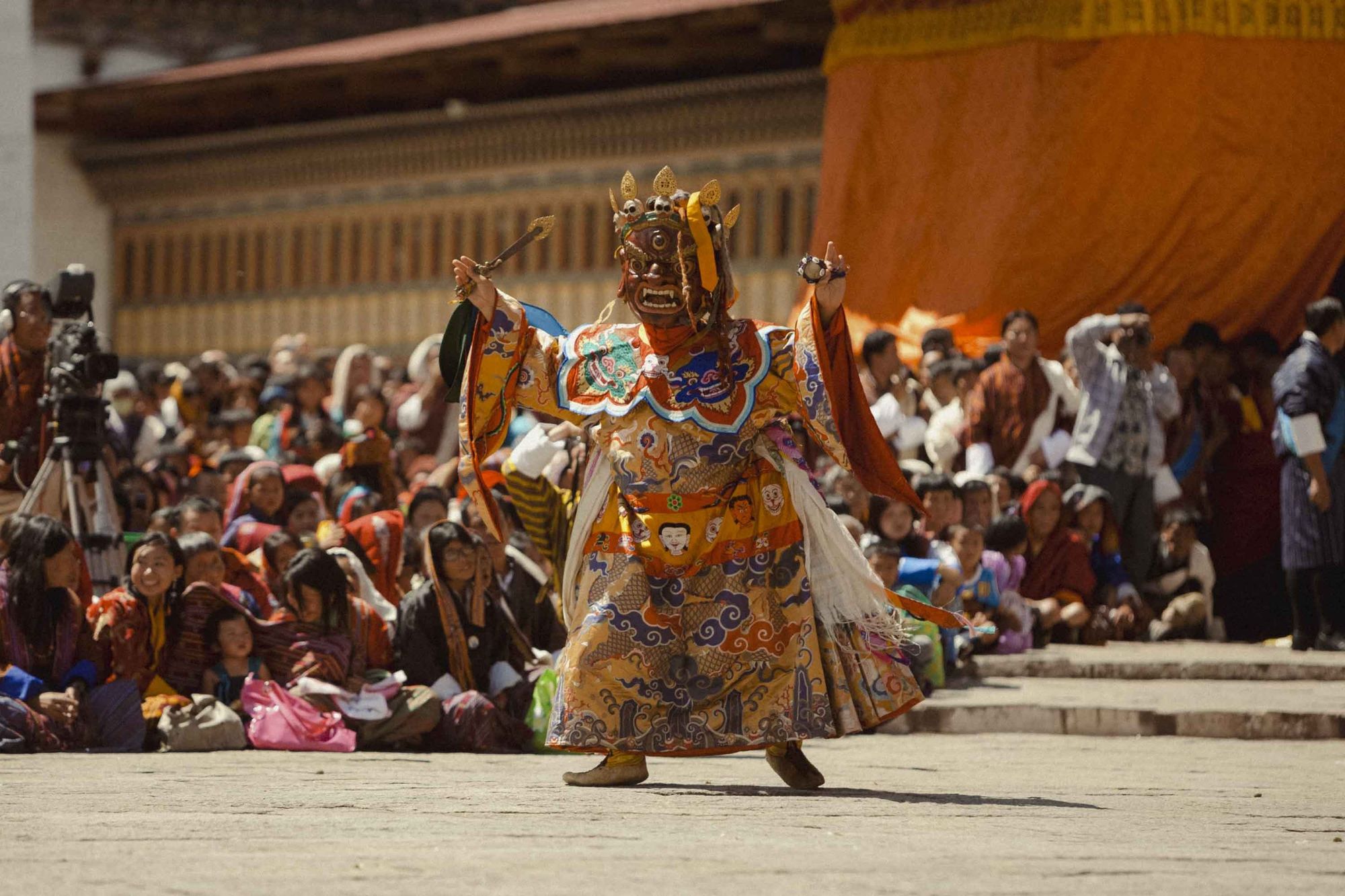
A tshechu is not a performance put on for visitors. It is a religious festival, held each year in honour of Guru Rinpoche, where monks and laymen dance the sacred cham in heavy brocade and carved masks, and the whole district comes dressed in its finest to receive blessings. Few are as dramatic as Punakha’s, where the Drubchen re-enacts a seventeenth-century victory over Tibetan forces with local militia, the pazaps, in full battle dress.

This journey times your days in Punakha for the festival, with the evenings free for an introduction to the pazaps themselves. Either side, you walk to hidden monasteries, spend time with the scholars of Tango, cross into the quiet Haa valley and finish with Tiger’s Nest and a hot-stone bath.
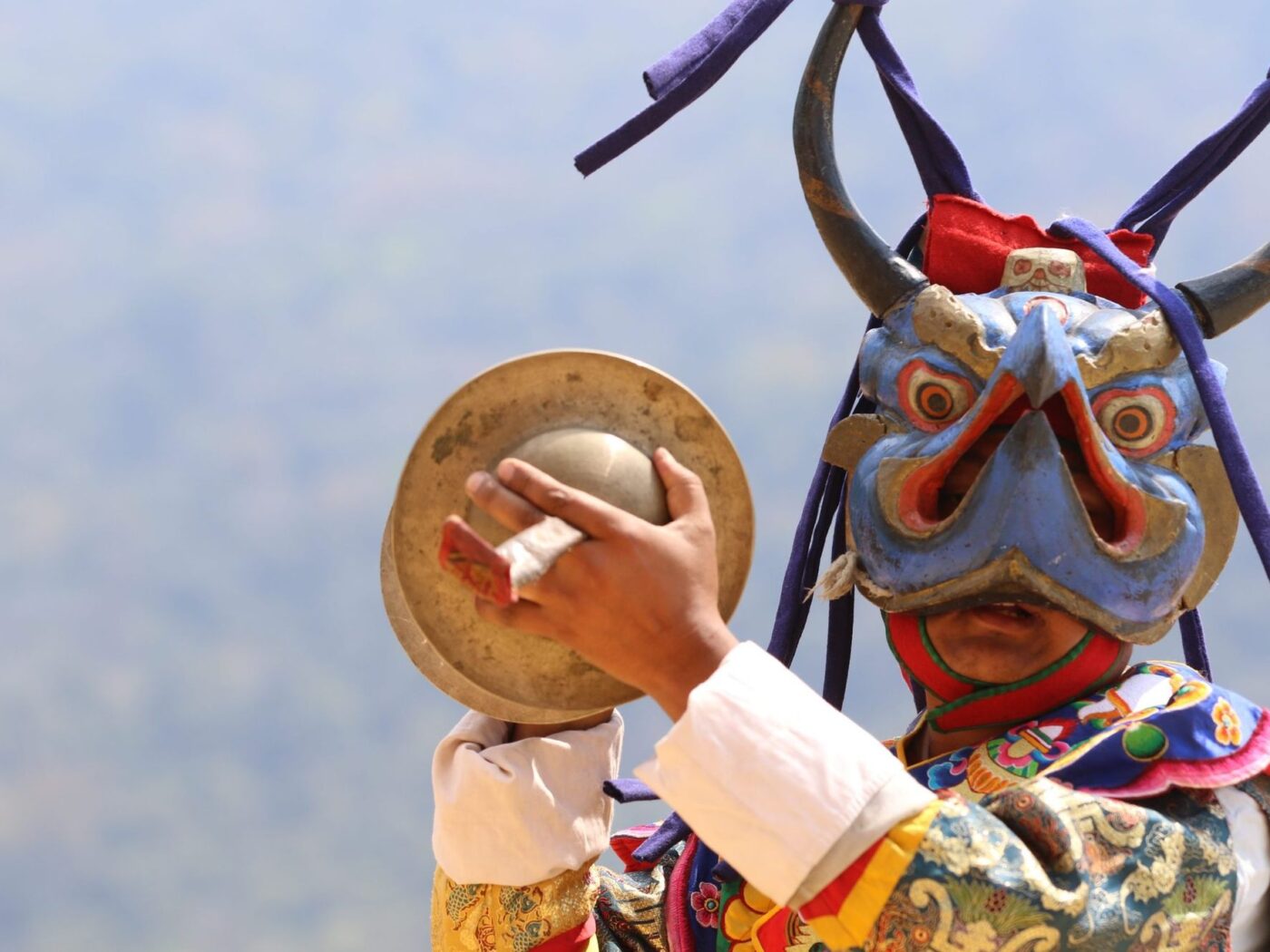
A masked dancer holding cymbals against the sky
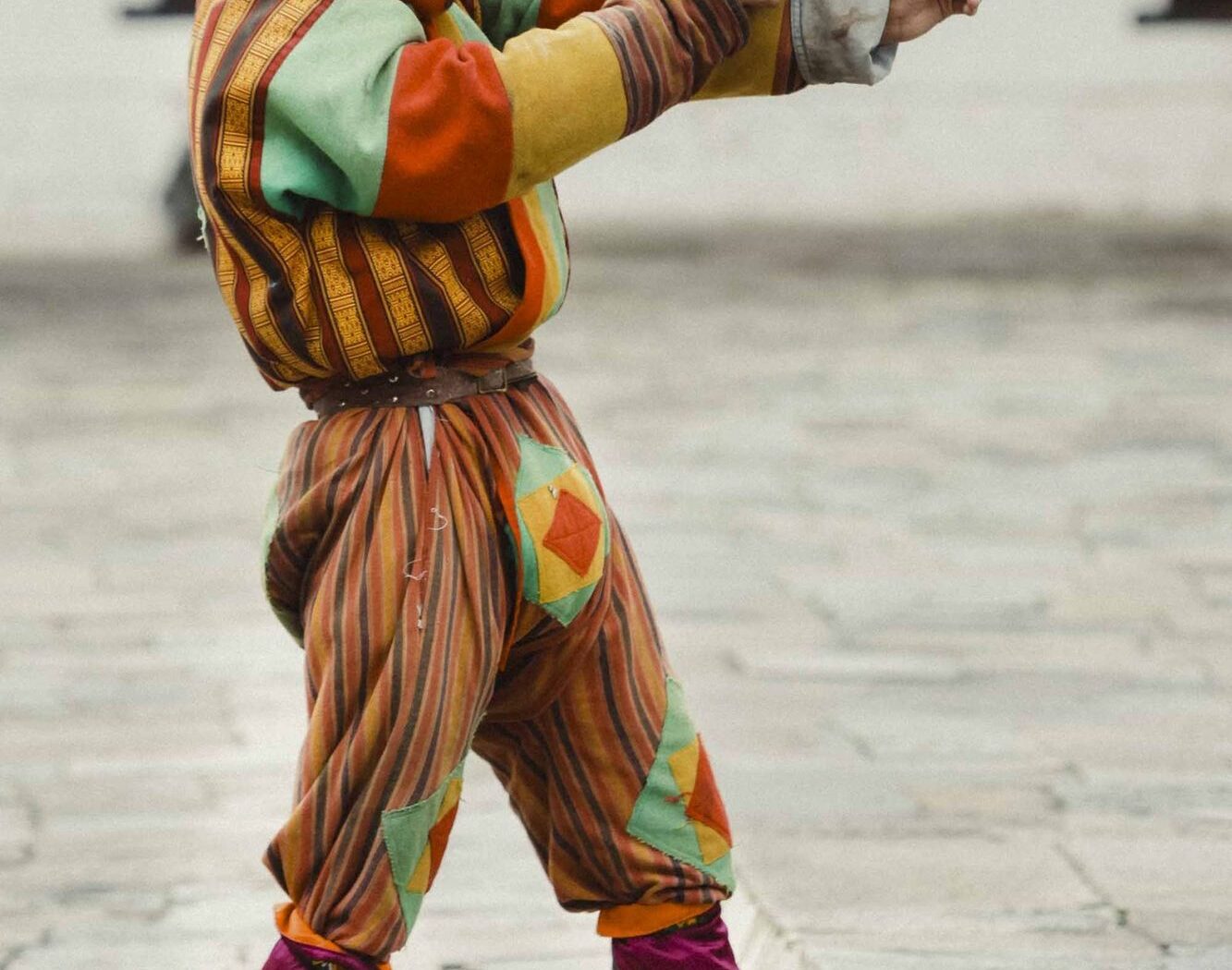
An atsara, a masked festival clown, playing to the crowd
A crowd filling a dzong courtyard during a tshechu
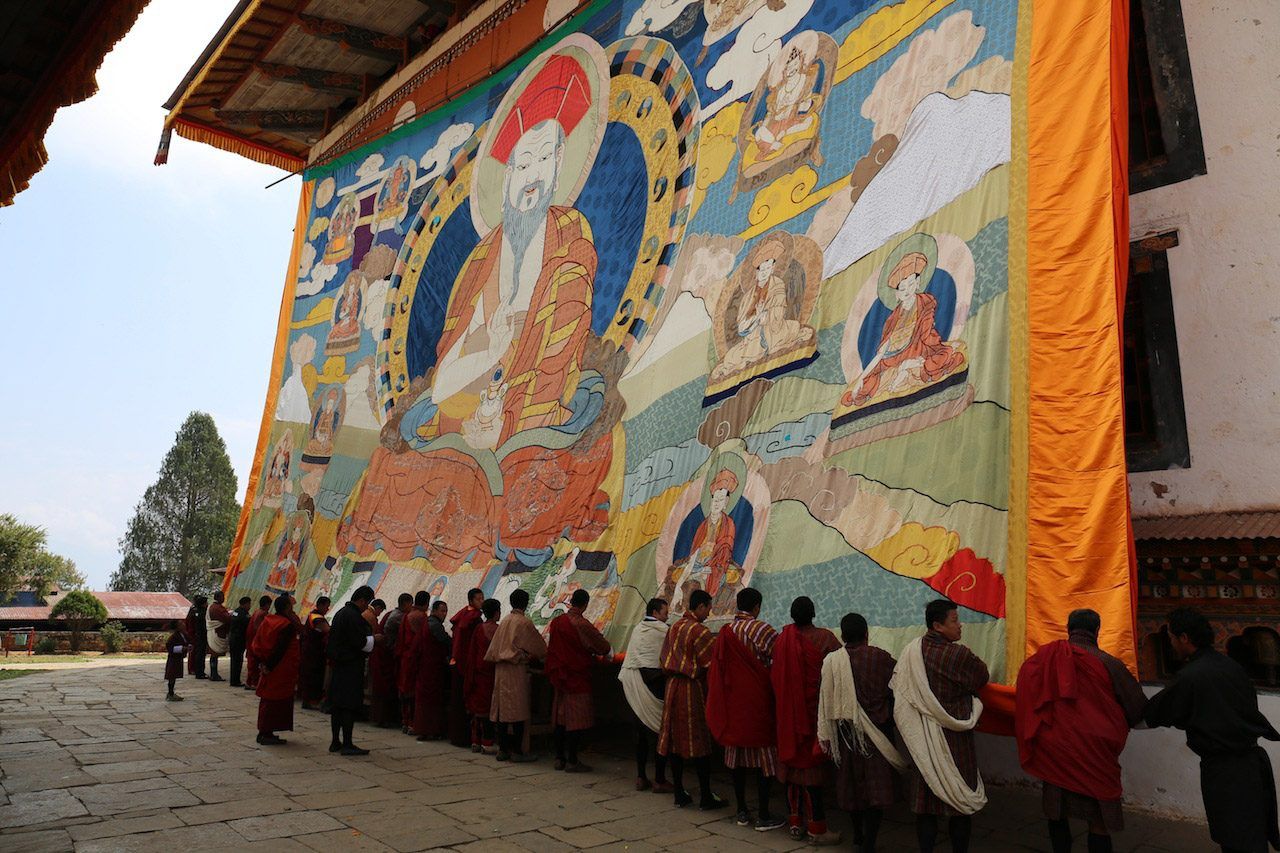
A giant thongdrel thangka displayed on a dzong wall
Close portrait of a festival mask
Highlights

What makes this journey

Punakha Drubchen & Tshechu

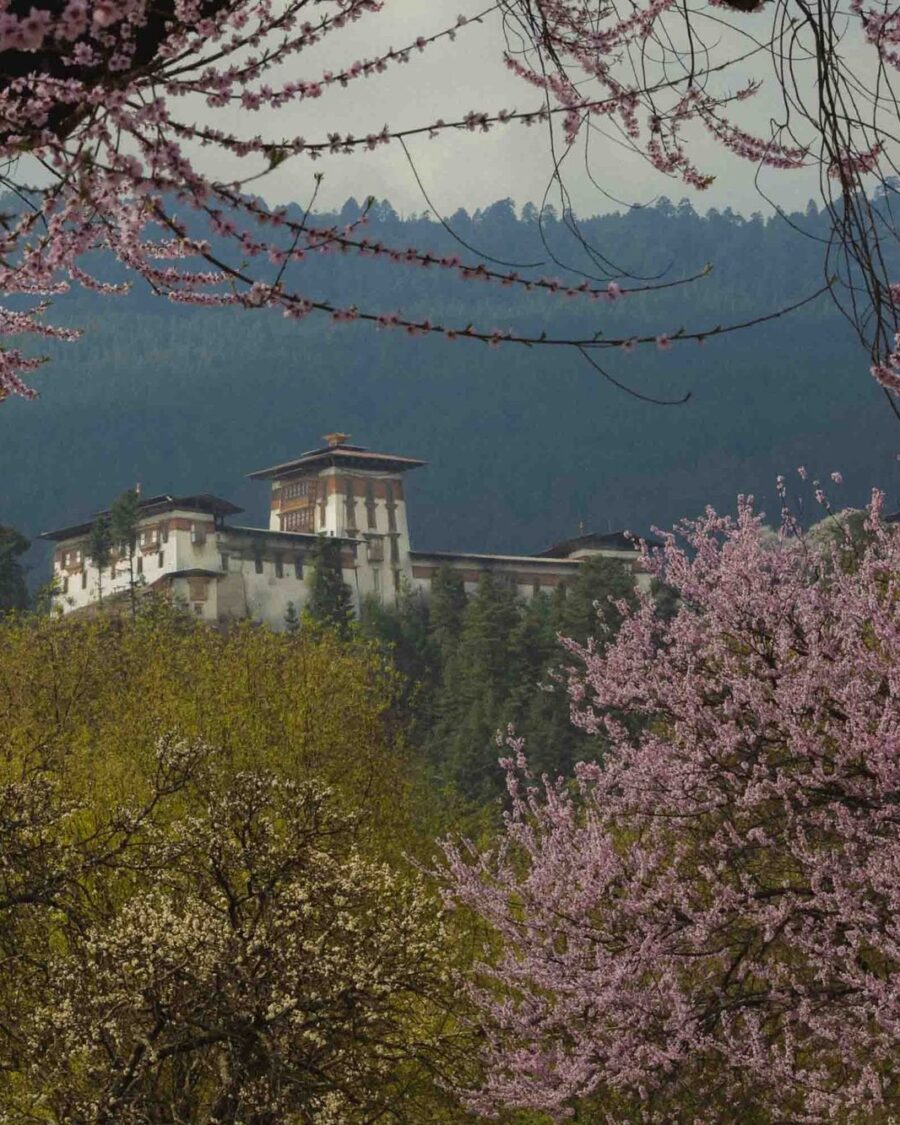
Two days at the festival in the courtyards of Punakha Dzong, one of the most beautiful buildings in the Himalaya.

The pazaps

Time with the descendants of Punakha's militia, who re-enact the battle that the Drubchen commemorates.

Hidden monasteries

The hike to Dodedrak and an afternoon with the monk scholars of Tango Buddhist University.

Haa and the nunnery at Kila

Over the Chele La and on foot down to Kila Goenpa, a nunnery clinging to the cliffs above Paro.

Stone baths and homestays

A traditional hot-stone bath and dinner with a farming family.

Day by day

The itinerary

A suggested route. On a private journey we'll shape it around you.

Day 01

Arrive · Thimphu

From Paro, an hour's drive to the capital.

Day 02

Thimphu

Buddha Dordenma and the city, then the hike to Cheri and an afternoon at Tango Buddhist University.

Day 03

Dodedrak

Hike to the Dodedrak monastic institute, a hidden monastery in the hills above Thimphu.

Day 04

To Punakha · festival

Breakfast at Dochula (3,100 m), then down to Punakha for the festival. In the afternoon, time with the pazaps.

Day 05

Punakha festival

A second morning at the festival, then a walk around Yebesa village to a hillside temple.

Day 06

To Trongsa

Over the Pele La, stopping at Chendebji Chorten. Visit Trongsa Dzong and the Ta Dzong museum.

Day 07

Phobjikha

To the glacial valley of Phobjikha for a nature walk and the black-necked crane centre.

Day 08

Haa valley

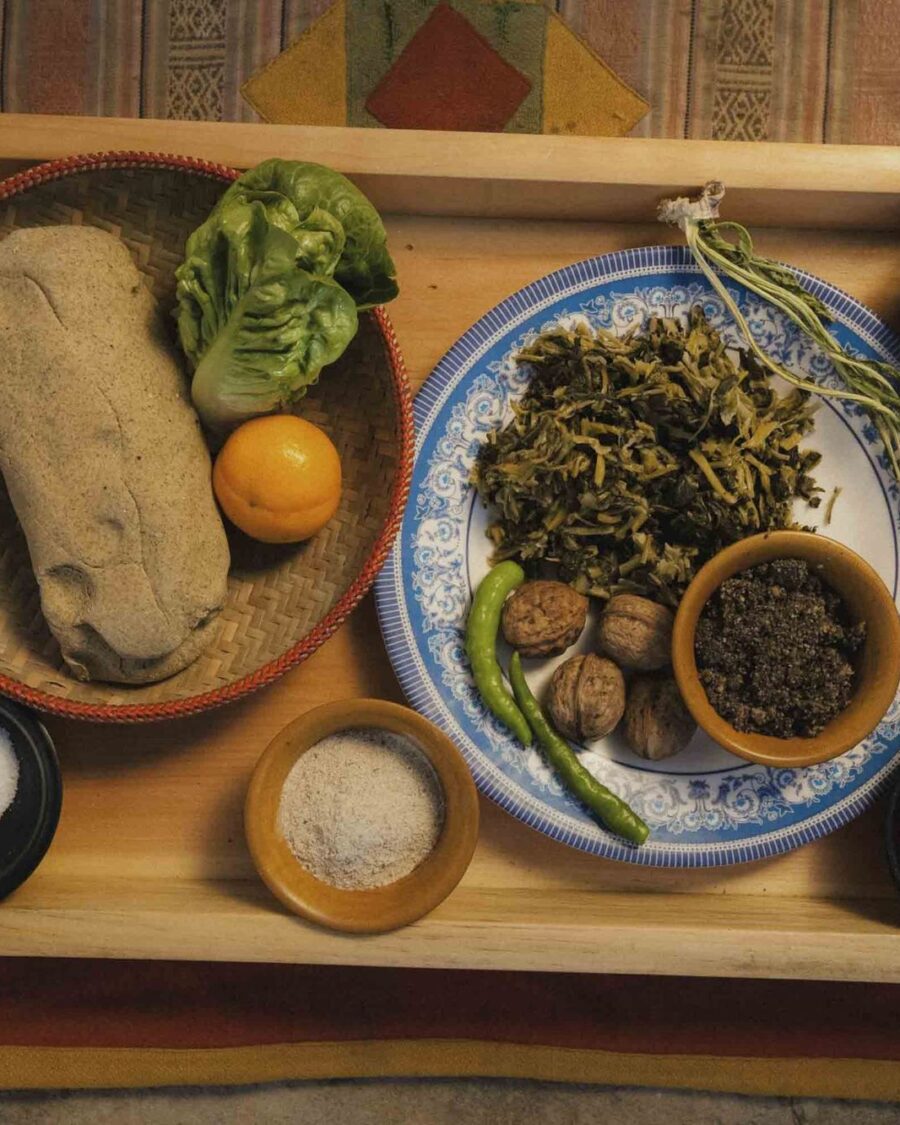
A long, scenic drive west to Haa, with buckwheat dumplings and village life.

Day 09

Chele La & Kila Goenpa

From the Chele La, walk down to Kila Goenpa, a nunnery built into the cliffs above the Paro valley.

Day 10

Tiger's Nest

Hike to Tiger's Nest, then Paro town and a traditional hot-stone bath.

Day 11

Depart

Transfer to Paro airport.

What's included

Taken care of

  • Private guide and driver; Ugyen leads the group departure
  • Ten nights in heritage lodges, festival-side stays and a farmhouse
  • All meals
  • Festival access and monument fees
  • Visa arrangement and Sustainable Development Fee (itemised in your proposal)

Not included

  • International flights to and from Paro (we can book these for you)
  • Travel insurance
  • Drinks other than water, tea and coffee with meals
  • Tips for your guide and driver, which are always your choice
  • Personal expenses and souvenirs
Pace. Moderate. Festival days involve long hours standing or sitting outdoors.
Festival dates follow the Bhutanese lunar calendar and are confirmed each year. We'll match your journey to them.

As a travel writer, I work with guides (and photographers) on a monthly, often weekly basis. Ugyen Wangchuk, who I met on an extraordinary and constantly evolving journey for the Financial Times, immediately placed into my top three guides of all time. His range of knowledge, across nature, religion, myth, history and culture, runs very deep. It emerges naturally and gently.

Ruaridh NicollScotland