Art · Craft · Landscape

The Living Canvas

An artist's journey: painting, sacred art and craft

Sample itinerary · tailor-made to you
Duration
12 days
Best season
April – May
Travel style
Private
Activity
Easy
Guide price
From US$5,400
Enquire
Overview

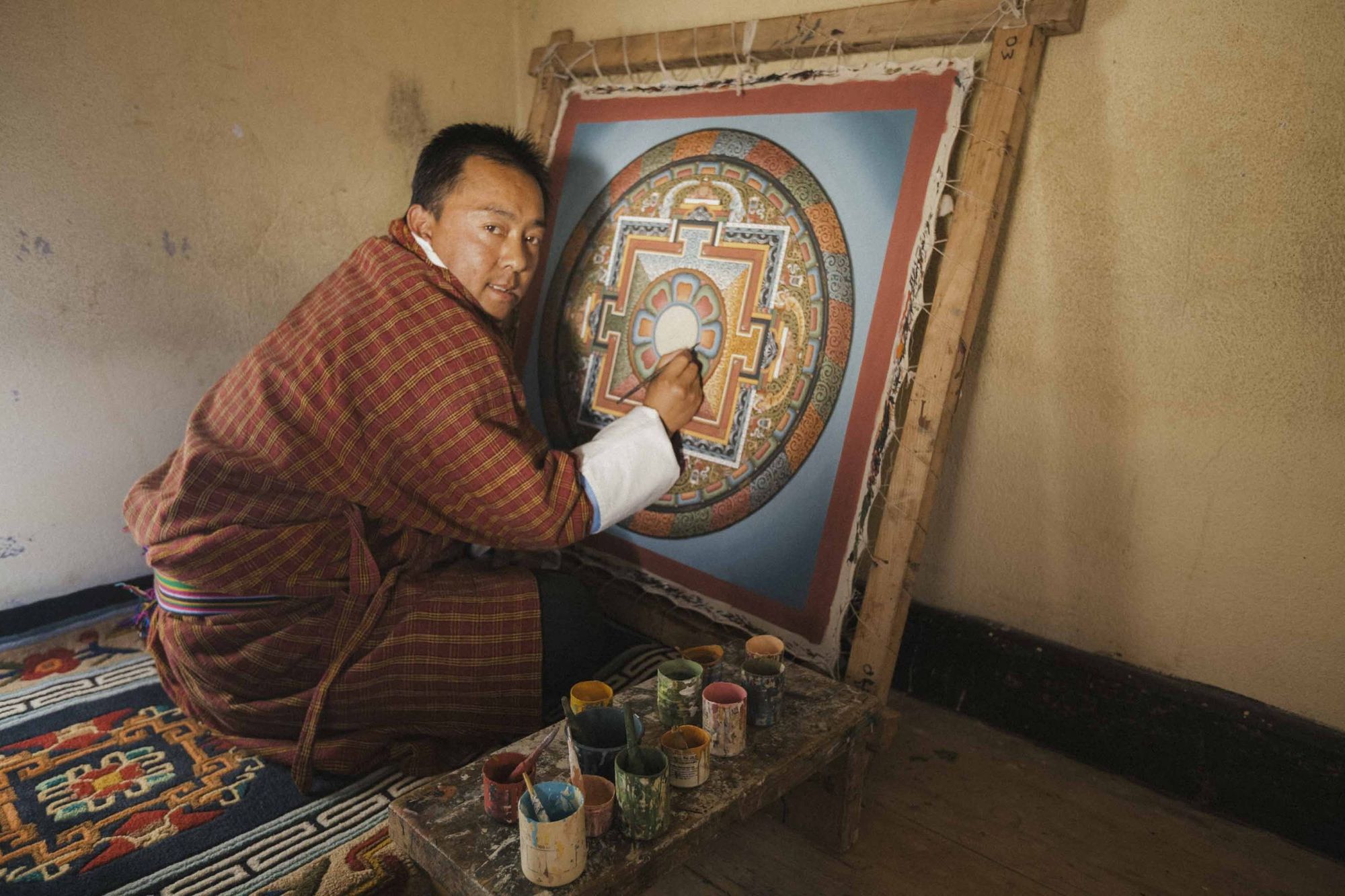
Bhutan is one of the few places where sacred art is still a living tradition rather than a museum piece. Thangka painters grind mineral pigments by hand, monks build sand mandalas grain by grain, and the thirteen traditional arts – the zorig chusum – are taught to young apprentices in Thimphu. This journey puts a brush in your hand among them.

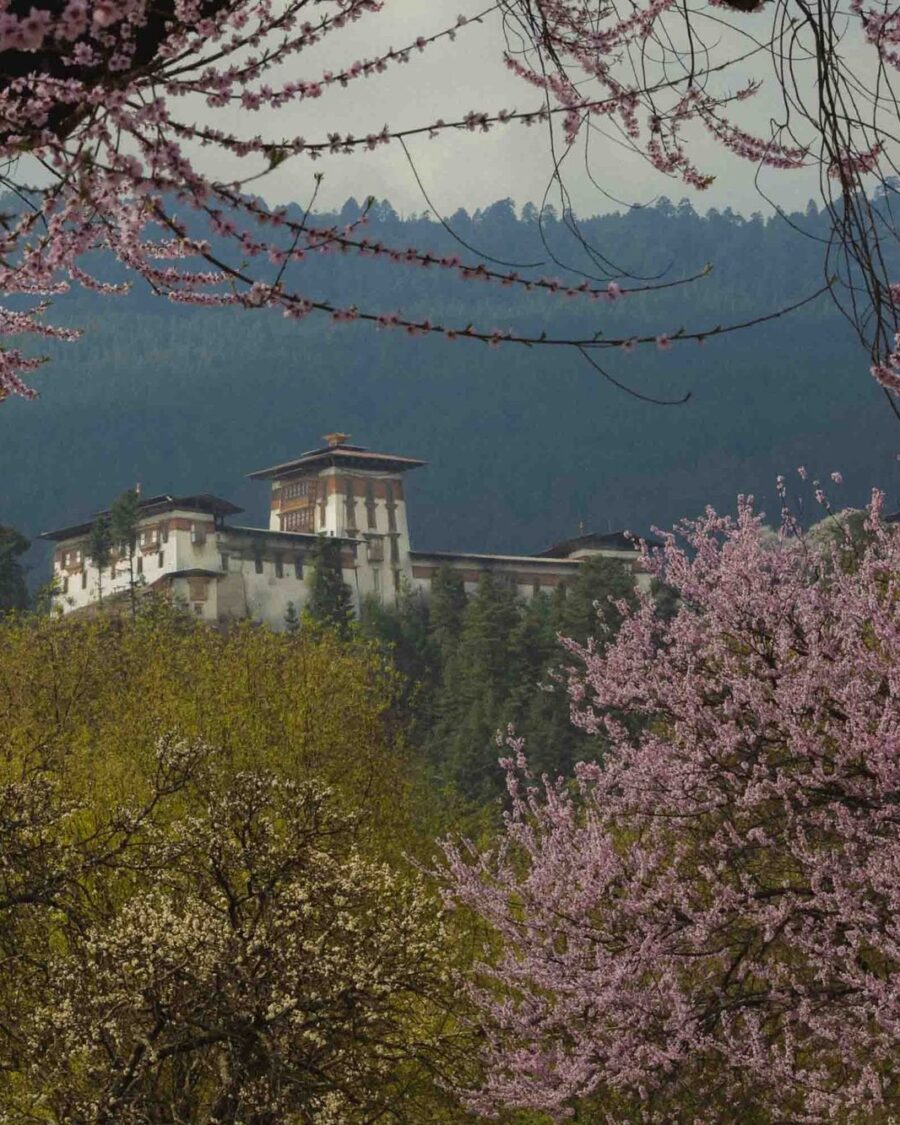
Painting materials are provided and the itinerary is planned around places worth sitting with: Punakha Dzong between its two rivers, the monasteries above the Wang Chhu, the long views of Phobjikha. Bhutanese artists travel with you for part of the journey, sharing how traditional painting is made and read, and introducing the contemporary scene in Thimphu.
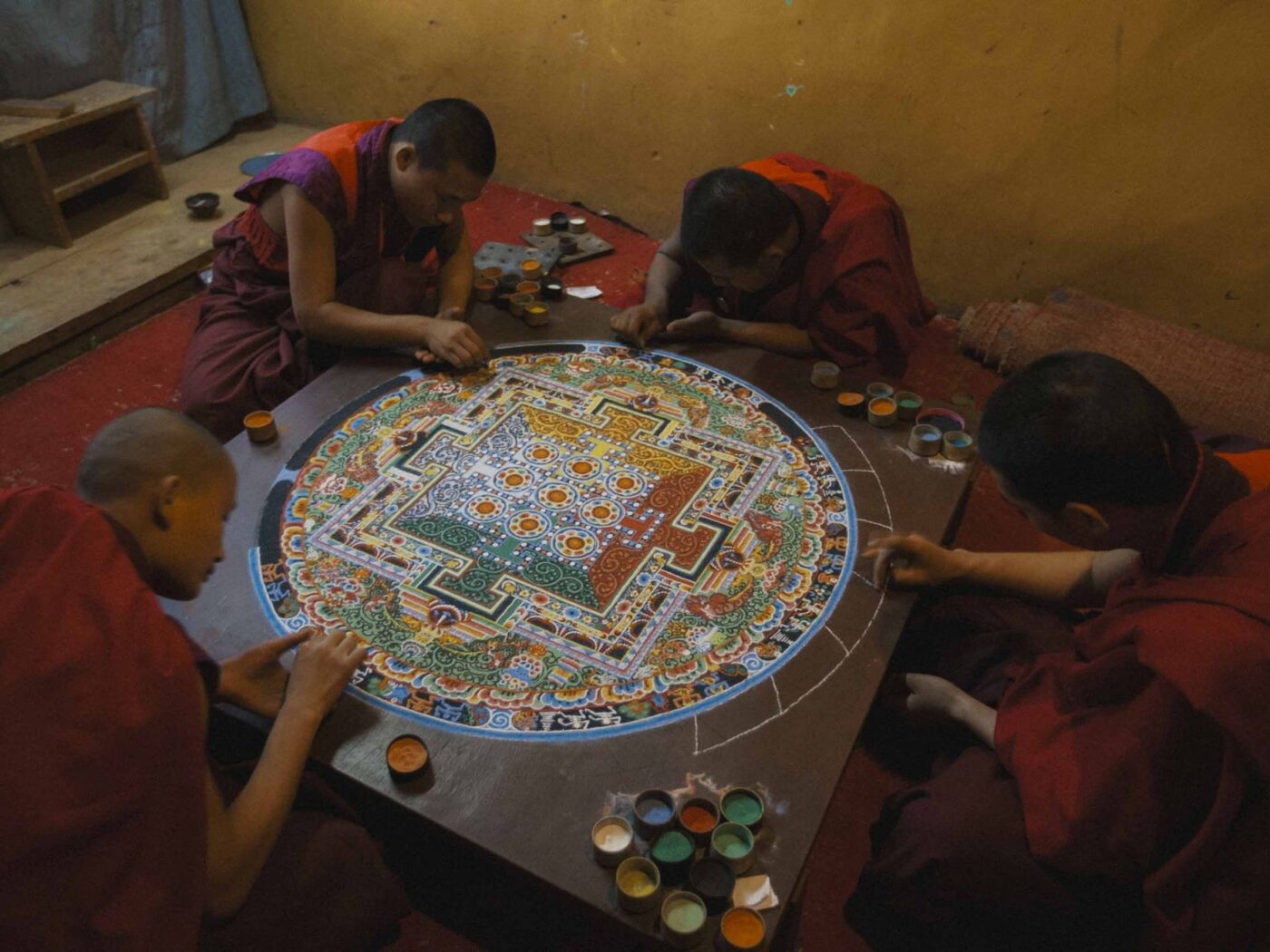
Monks creating a sand mandala
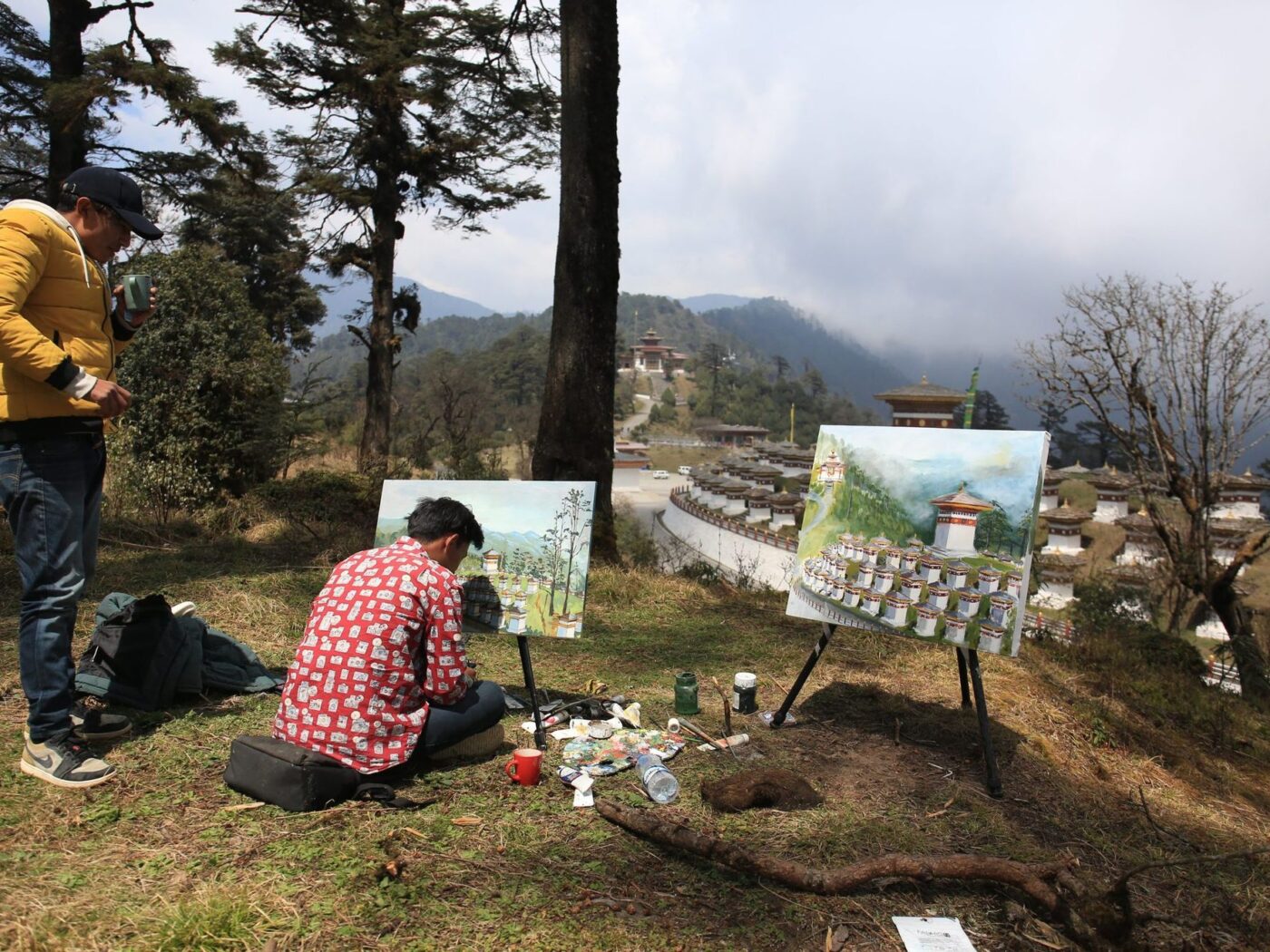
An artist painting outdoors in Bhutan
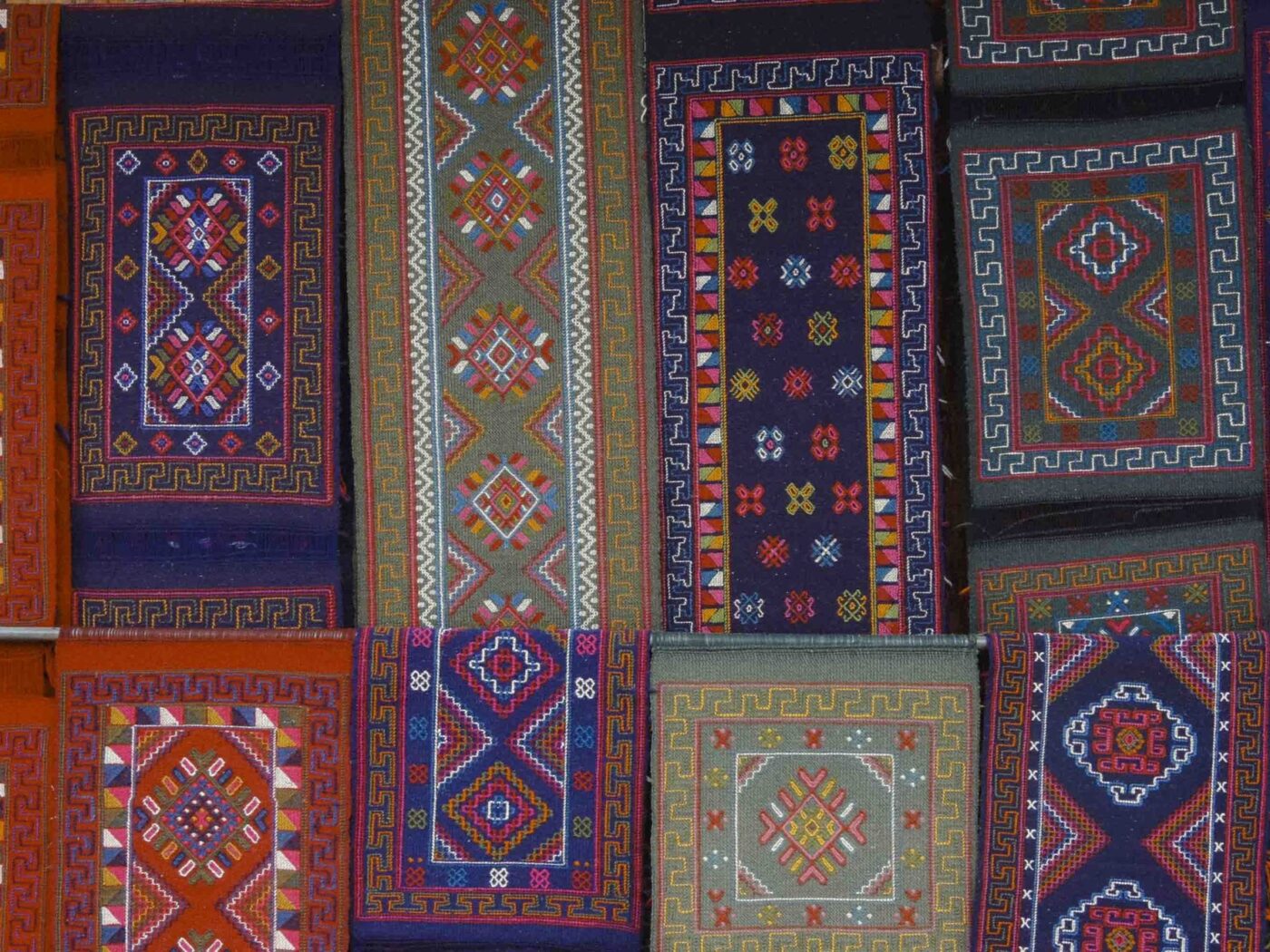
Bhutanese woven textiles
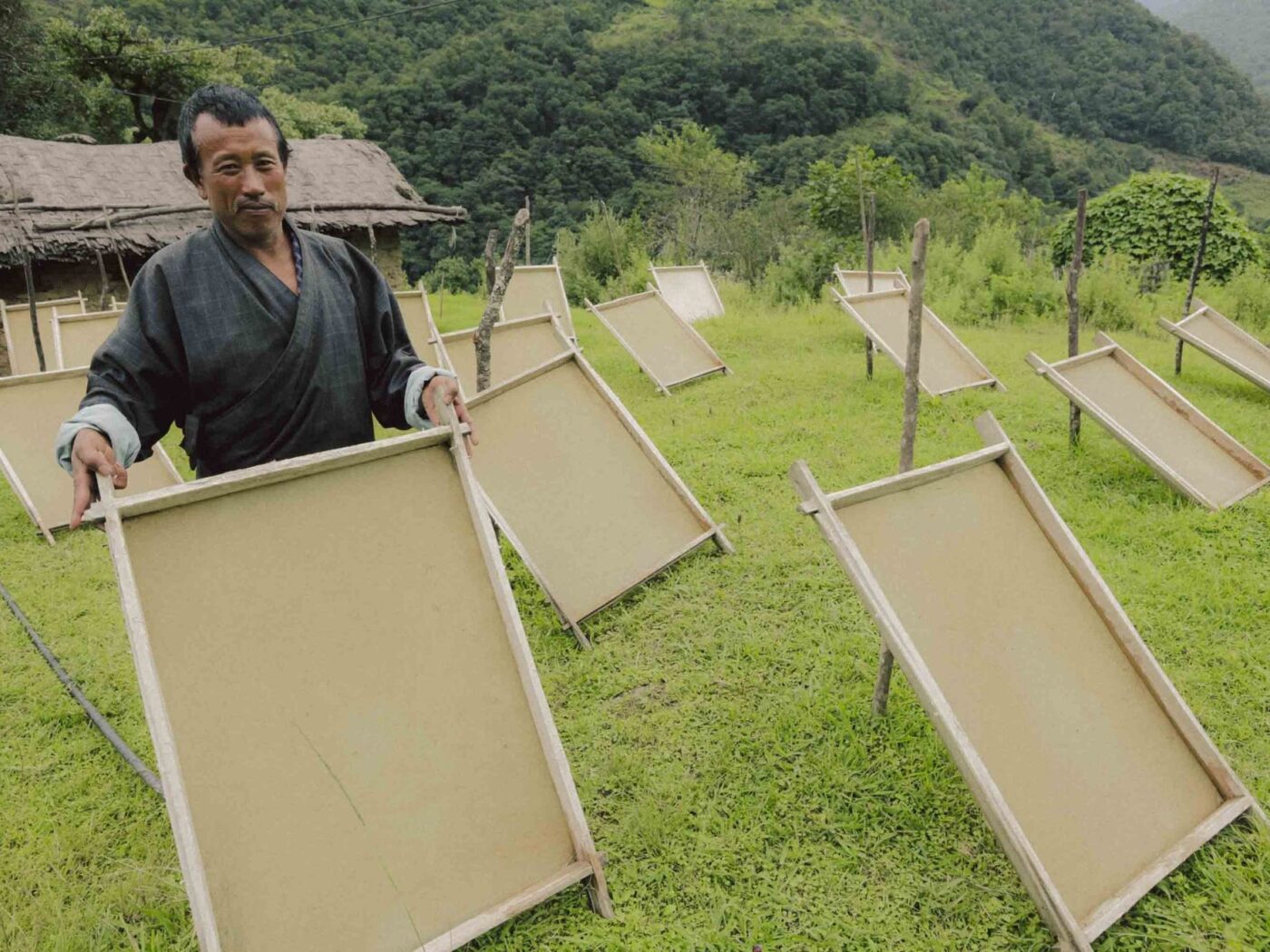
Handmade paper drying in frames
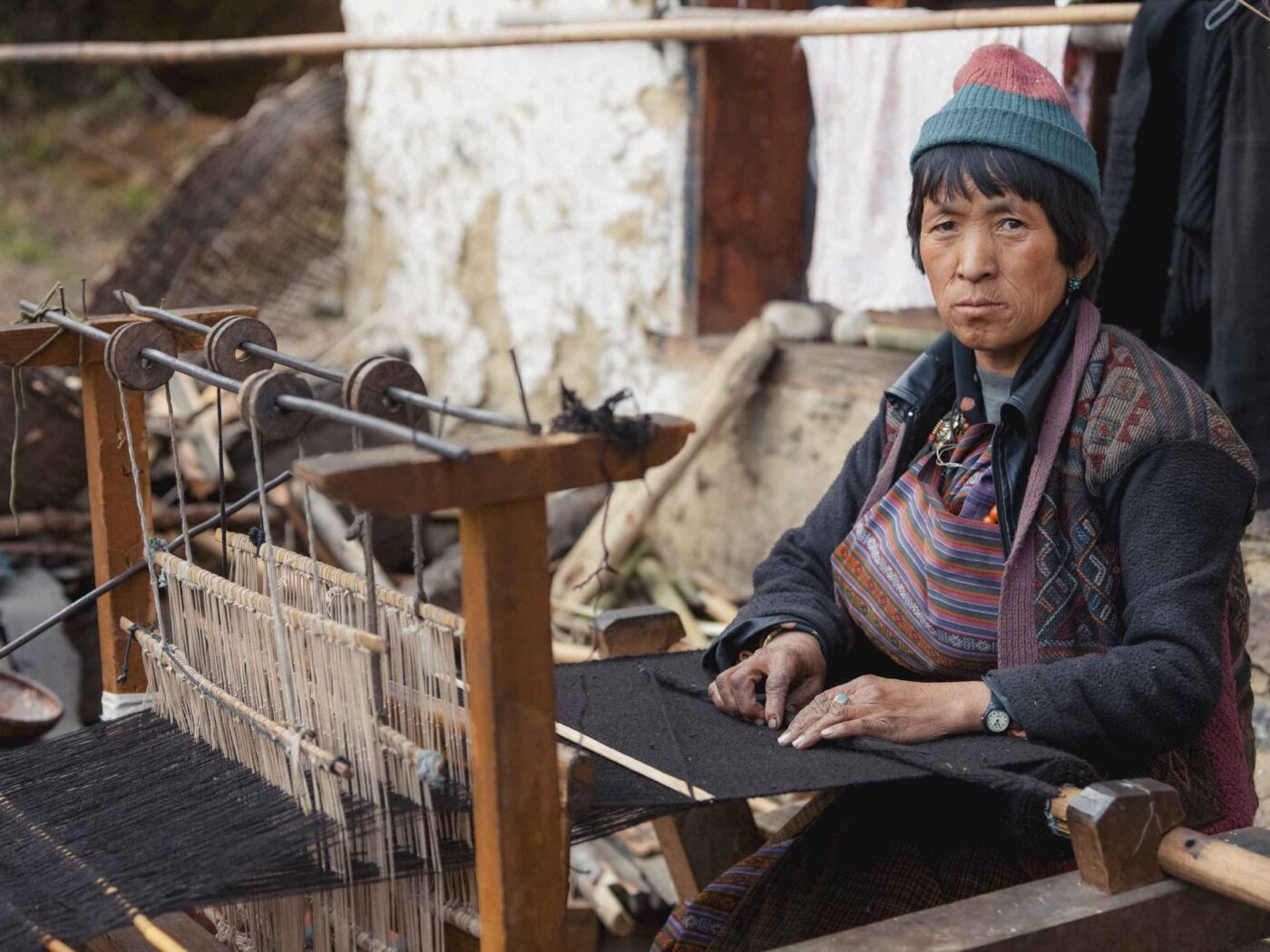
A woman weaving at a backstrap loom
Highlights

What makes this journey

Painting en plein air

Sessions at Dechen Phodrang, Cheri and Tango, Punakha Dzong, Wangdue and Gangtey, with materials provided.

Sacred art explained

Thangka and mural painting, natural pigments and iconography, introduced by Bhutanese painters.

The sand mandala

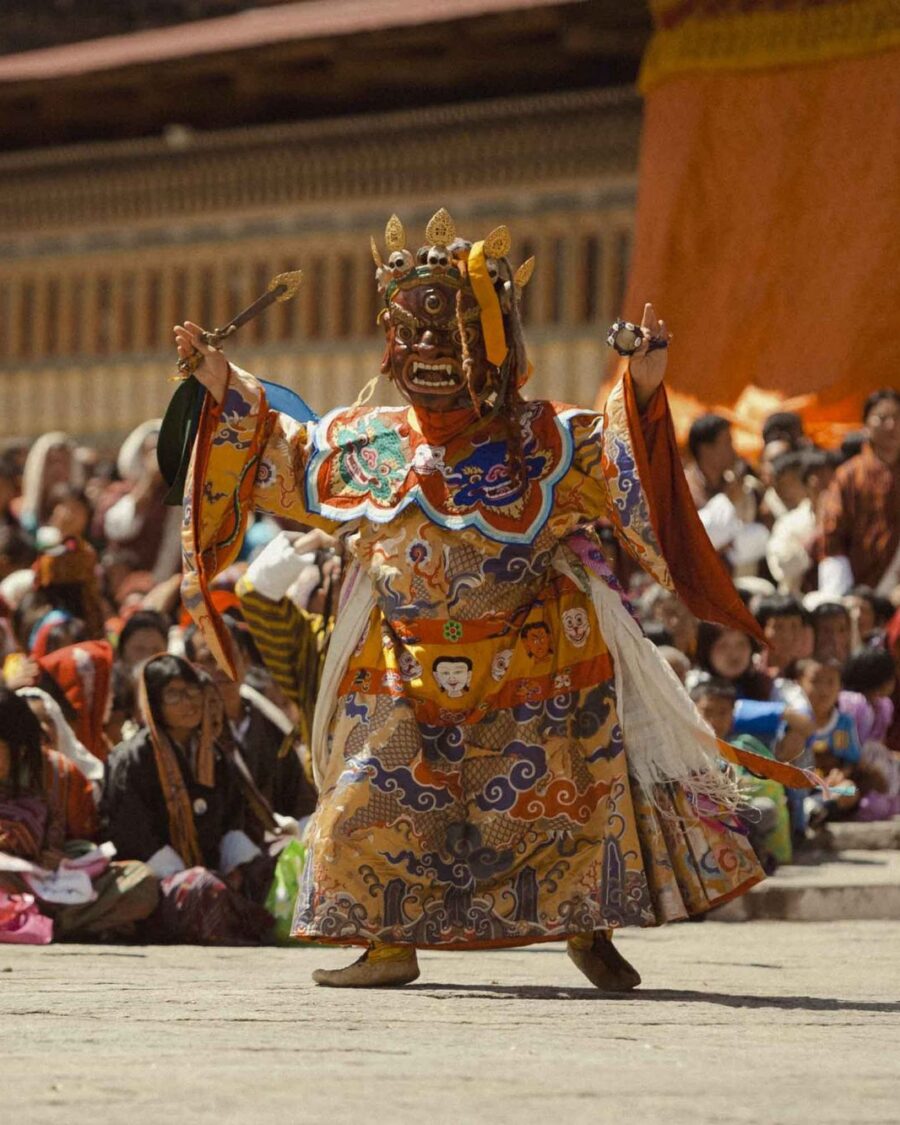
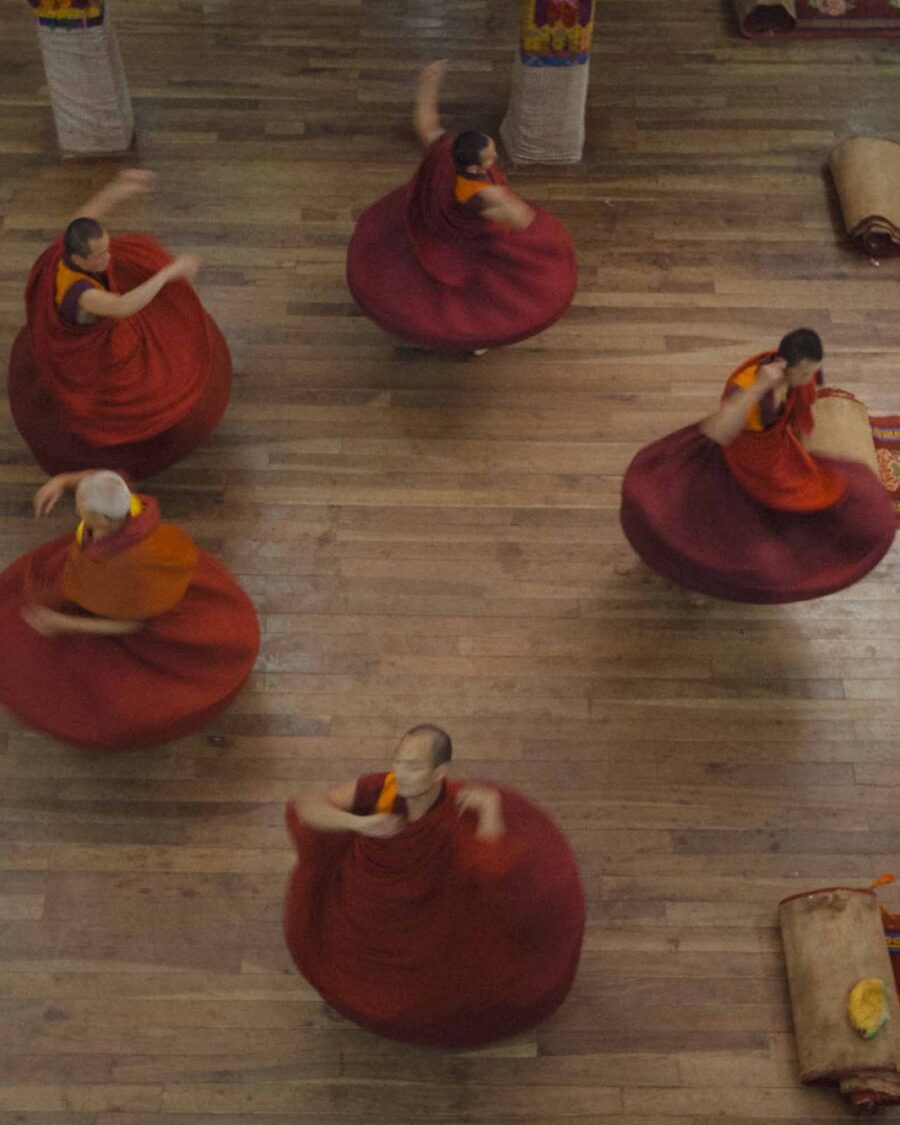
Witness monks creating a sand mandala when one is being made – a teaching on impermanence in coloured stone.

Thimphu's art scene

Visits to the Institute for Zorig Chusum and contemporary studios such as VAST, the Voluntary Artists Studio.

Farmhouse and village

Homestay painting sessions in the Punakha valley and a traditional hot-stone bath.

Day by day

The itinerary

A suggested route. On a private journey we'll shape it around you.

Day 01

Arrive in Paro

Depending on flight times, visit Rinpung Dzong or drive straight to Thimphu.

Day 02

Thimphu

Buddha Dordenma, the city's famous traffic police box – Thimphu has no traffic lights – and a first painting session at Dechen Phodrang. Afternoon at Tashichho Dzong.

Day 03

Cheri & Tango

Drive to Dodena and hike to Tango monastery to paint its cliff setting, then Cheri above the Wang Chhu. Evening prayers at Tango Buddhist University.

Day 04

Thimphu's artists

The Institute for Zorig Chusum, where students learn the thirteen traditional arts, and time with contemporary painters in the city.

Day 05

To Punakha

Over Dochula to Punakha. Paint the dzong from different viewpoints and visit Yebesa village.

Day 06

Punakha

A morning painting the dzong at the meeting of the Pho Chhu and Mo Chhu, then a village homestay with a hot-stone bath.

Day 07

To Wangdue

Walk the long suspension bridge and continue to Wangdue Phodrang.

Day 08

Wangdue to Phobjikha

Morning painting at Ngashigaykha village overlooking Wangdue Dzong. Lunch and painting at Nobding on the way to Phobjikha.

Day 09

Phobjikha

Gangtey Goenpa, a walk on the valley floor and a session painting the monastery and village.

Day 10

Paro

Return to Paro and paint Rinpung Dzong and its traditional bridge.

Day 11

Tiger's Nest

Hike to Tiger's Nest for a final session facing the monastery. Farewell dinner.

Day 12

Depart

Transfer to Paro airport.

What's included

Taken care of

  • Private guide and driver; Bhutanese artists on selected days
  • Painting materials: Bhutanese handmade paper, paints and brushes
  • Eleven nights in boutique hotels, farm stays and a village homestay
  • All meals
  • Visa arrangement and Sustainable Development Fee (itemised in your proposal)

Not included

  • International flights to and from Paro (we can book these for you)
  • Travel insurance
  • Drinks other than water, tea and coffee with meals
  • Tips for your guide and driver, which are always your choice
  • Personal expenses and souvenirs
Pace. Gentle. Painting sessions of two to three hours; one longer hike to Tiger's Nest.

As a travel writer, I work with guides (and photographers) on a monthly, often weekly basis. Ugyen Wangchuk, who I met on an extraordinary and constantly evolving journey for the Financial Times, immediately placed into my top three guides of all time. His range of knowledge, across nature, religion, myth, history and culture, runs very deep. It emerges naturally and gently.

Ruaridh NicollScotland